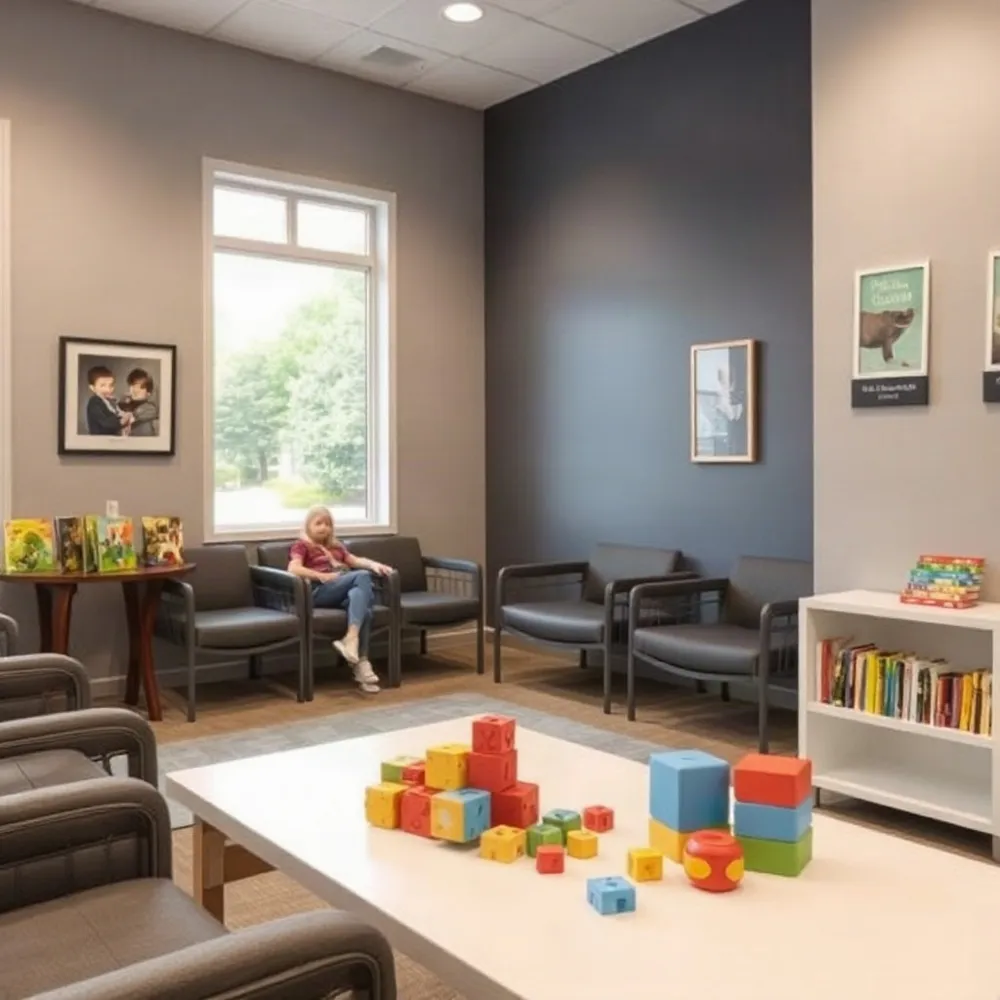
A Visit That Tracks the Whole Child
A child can seem perfectly well and still benefit from a checkup. Well-child visits give families time to follow growth and development, keep preventive care on track, and talk through questions before they become urgent. The American Academy of Pediatrics’ well-child visit guidance describes these appointments as a partnership between families and the pediatrician.
For Queens families, coordinating care for children and adults can be easier when one family-focused practice serves all ages. Maged Youssef, MD, FAAP, provides pediatric and adult care in Forest Hills and brings more than 30 years of experience, with board certification in both pediatrics and internal medicine.
A well-child appointment may include a physical exam, a review of developmental milestones, age-appropriate screening, and time to discuss everyday concerns such as sleep, eating, behavior, or safety. You can get more from the visit by writing down questions ahead of time and raising your main concerns early. The plan may vary with your child’s age, health, and individual circumstances.
What Happens During the Checkup
 A well-child visit includes a physical exam and a review of your child’s health, growth, and development. The clinician may measure height and weight, and record head circumference for younger children. What happens at the appointment depends on your child’s age and individual needs.
Growth charts help the doctor follow changes over time, rather than judge your child by a single measurement. You can ask what the measurements show and how they fit your child’s overall pattern. MedlinePlus explains how growth charts are used during well-child visits.
Some visits include hearing, vision, or other screenings, and the clinician can review immunizations and discuss whether any are recommended. These checks are not all done at every appointment. At Maged Youssef, MD, FAAP’s Forest Hills practice, pediatric care is available for all ages, so the same doctor who knows your child can also care for you and other family members.
How Often to Schedule Visits
 How often should children have well-child visits as they grow? The American Academy of Pediatrics (AAP) recommends regular preventive visits from infancy through adolescence. Its general schedule includes checkups at 3–5 days after birth; 1, 2, 4, 6, 9, 12, 15, and 18 months; 24 and 30 months; then annually from ages 3 through 21. You can review the AAP well-child visit schedule as a guide.
Appointments come closer together in infancy and early childhood because growth and development change quickly. Regular checkups give you and your child’s clinician chances to follow progress, discuss prevention and vaccines, and bring up questions about sleep, behavior, school, or general health. For a practical overview, see this guide to the pediatric well-visit schedule.
A general schedule is not a fixed rule for every child. A clinician may recommend additional or differently timed visits based on your child’s health and circumstances. Do not wait for the next routine checkup if your child becomes ill or you have a new concern.
For Queens families, Maged Youssef, MD, FAAP provides pediatric and adult care in one practice. His board certification in both pediatrics and internal medicine and more than 30 years of experience can be useful as your family’s care needs change. Ask what timing makes sense for your child.
Milestones and Developmental Screening
When are developmental screenings done, and what do they assess?
Development is discussed at every well-child visit. Your child’s doctor may ask how your child plays, learns, speaks, behaves, and moves, and observe how they interact. You can add important context by sharing what you notice at home, school, or with other caregivers between appointments. The CDC’s guidance on developmental monitoring and screening explains how families and clinicians can follow a child’s progress and respond to concerns.
Children reach milestones at different paces. Milestone examples are reference points for conversation, not a diagnosis or a checklist every child must match at precisely the same age. If your child misses a milestone, has a change in skills, or you simply feel concerned, bring it up rather than waiting for the next routine checkup.
Developmental surveillance means ongoing discussion and observation. A formal screening is a closer look using a research-based, validated questionnaire or checklist that assesses areas such as language, movement, thinking, behavior, and emotions. Screening can show whether further evaluation may be helpful, but it does not establish a diagnosis.
The American Academy of Pediatrics recommends general developmental screening at 9, 18, and 30 months, with autism-specific screening at 18 and 24 months. Screening may also be appropriate whenever a parent, clinician, or early-childhood professional raises a concern. The AAP’s developmental surveillance and screening guidance describes these recommended screening points.
A concern may lead to further assessment or, when appropriate, a referral to services that support a child at home, in school, or in the community. Families in Forest Hills and nearby Queens neighborhoods can discuss those next steps with Maged Youssef, MD, FAAP, whose more than 30 years of experience and board certification in pediatrics and internal medicine inform care for children and adults. Share specific examples of what has changed or what worries you; your observations help guide a useful conversation and an individualized plan.
Make the Appointment Work for Your Family
 A little preparation can help you make the most of a well-child visit. Beforehand, jot down questions and concerns, then choose the three to five you most want to discuss. The American Academy of Pediatrics recommends raising your priorities near the start of the appointment so there is time to address them (AAP guidance for well-child visits).
Note any changes in your child’s sleep, eating, behavior, learning, social interactions, or development. A recent example can make a concern easier to explain. You can also ask what signs to watch for and how to support your child’s progress at home.
Regular visits give families and clinicians a chance to build trust and work as a team around a child’s physical, mental, and social health. For families in Forest Hills, Rego Park, Kew Gardens, and Middle Village, Maged Youssef, MD, FAAP provides pediatric and adult care in one practice, making it possible to seek care for family members of different ages in the same setting.
Keep the Conversation Going
Well-child visits give families and clinicians a chance to notice changes, talk through questions, and plan preventive care together. The American Academy of Pediatrics describes these visits as an ongoing partnership that supports a child’s health as they grow (AAP well-child visit guidance).
If you are concerned about your child’s health or development, contact their clinician rather than waiting for the next routine appointment. In Forest Hills, Maged Youssef, MD, FAAP brings more than 30 years of experience and board certification in pediatrics and internal medicine to care for children and adults in one practice.
General schedules and educational resources are helpful guides, but they cannot replace advice tailored to your child. Your pediatrician can recommend next steps based on your child’s health, development, and family circumstances.