
Planning Your Baby’s First Visit
Bringing a newborn home is a joyful transition, but it also comes with a long list of new tasks. Booking the first checkup can feel like one more thing to manage. Planning ahead and knowing how to reach your baby’s doctor can make those first days feel less uncertain.
The American Academy of Pediatrics recommends a first checkup when a baby is 3 to 5 days old, though your clinician may advise a different time based on your baby’s health and circumstances. The visit is only part of the plan: ask the office how to get guidance if feeding, jaundice, or another concern comes up before the appointment. The AAP’s first-week checkup guidance can help you prepare, but it does not replace advice tailored to your newborn.
For Queens families, a family-focused practice can also make care simpler as your household’s needs change. Maged Youssef, MD, FAAP, provides newborn and pediatric care alongside adult primary care, bringing multiple generations under one practice. This section covers general timing and preparation, while your baby’s own clinician should guide any individual follow-up.
Choose a Doctor Before Delivery
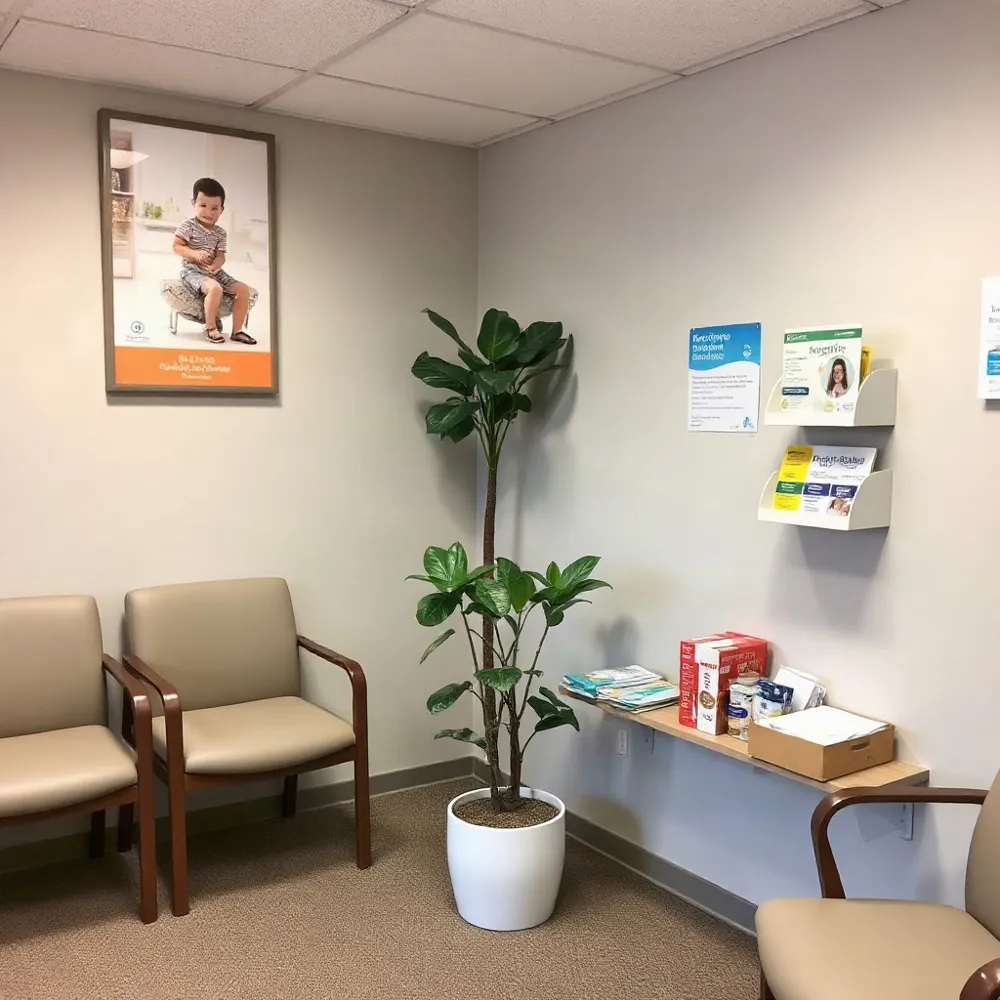 Choosing your baby’s doctor during pregnancy gives you time to ask practical questions before the busy first days at home. Call the practice to learn how to arrange the first appointment after discharge, what paperwork to bring, and how to reach the office if a concern comes up.
The American Academy of Pediatrics recommends a first office checkup when a newborn is 3 to 5 days old, but hospital instructions and your baby’s health may call for a different or earlier visit. Confirm the timing with your baby’s clinician, especially if the hospital team asks for prompt follow-up. The AAP first-week checkup checklist offers guidance on what families can expect.
Bring the hospital discharge information, including your baby’s discharge weight, and tell the doctor about any pregnancy or birth complications. These details help the clinician understand the baby’s early health and plan any needed follow-up.
For families in Forest Hills, Rego Park, Kew Gardens, and Middle Village, having one doctor for children and adults can make care easier to coordinate as your family grows. Maged Youssef, MD, is certified in both pediatrics and internal medicine and has more than 30 years of experience, offering continuity from newborn care through adult primary care.
What the First Checkup Covers
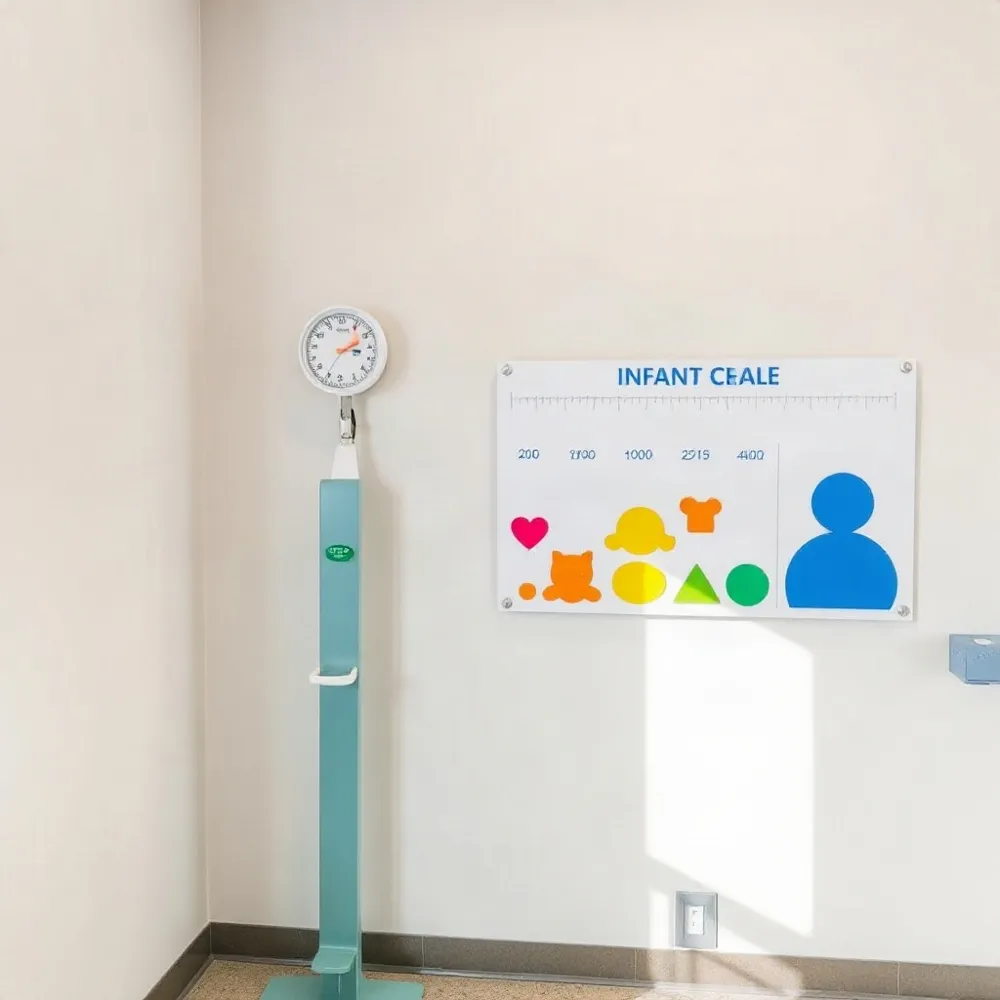 A newborn’s first appointment is a chance to review how the transition from hospital to home is going. The clinician may ask about the birth, any complications, and the hospital discharge summary, then measure your baby’s weight, length, and head circumference and complete a physical examination. The American Academy of Pediatrics describes these checks in its first-week visit checklist.
You’ll likely be asked how feeding is going and how often your baby has wet and dirty diapers. Those details help the clinician assess intake and hydration. The doctor may also check for jaundice and review the hospital hearing and blood-screening results. At Maged Youssef, MD, FAAP’s Forest Hills practice, newborn care is part of a family practice that also provides primary care for adults, offering families in Queens continuity across ages.
The appointment is also a good time to ask about feeding help, sleep, safe-sleep practices, soothing, or your own recovery and well-being. Jot down concerns beforehand, including changes you have noticed since discharge. The clinician will tailor the visit to your baby’s health and circumstances, so not every check or discussion happens at every appointment.
Prepare Questions and Practical Details
A little preparation can make your baby’s first checkup feel less rushed. Bring the hospital discharge papers and any other records you have, plus a list of medicines or supplements and brief notes about feeding and wet and dirty diapers. The AAP’s first-week checkup checklist also recommends bringing information about the baby’s discharge weight and any pregnancy or birth complications.
Pack a few practical items, such as diapers, wipes, a change of clothes, and a blanket. Before leaving home, write down your questions so you can focus on the conversation rather than trying to remember everything.
The American Academy of Pediatrics advises parents to raise their top three to five questions near the start of a well-child visit. You might ask how your baby’s weight gain and feeding are progressing, whether any yellowing could be jaundice, what sleep patterns to expect, which symptoms mean you should call the office, and when to schedule the next visit. At Maged Youssef, MD, FAAP’s Forest Hills practice, newborn care is part of a family-focused primary care setting that also serves adults, making it easier for Queens families to keep care connected across ages.
Keep the First Year on Track
After the early newborn check, regular visits give your baby’s clinician a chance to follow growth and development, review screening results, and answer questions as new stages bring new concerns. The American Academy of Pediatrics well-child visit schedule is general guidance, and your baby’s clinician may adjust timing to fit individual needs.
Visits commonly take place around 1, 2, 4, 6, 9, and 12 months. After the first birthday, appointments are often planned at 15 and 18 months, age 2, and yearly after that. At each visit, you can ask about your baby’s progress, feeding, sleep, behavior, and any changes that concern you.
Vaccines are reviewed according to your baby’s age and previous doses. The hepatitis B series usually begins at birth, and vaccines during infancy may protect against whooping cough, polio, pneumococcal disease, rotavirus, and Hib. Your clinician can explain what is due and discuss questions before vaccination.
From 6 months, flu and COVID-19 vaccination may be recommended under current guidance. Ask whether seasonal protection, including RSV prevention, applies to your baby. At Maged Youssef, MD, FAAP’s Forest Hills practice, newborn and well-child care is part of a family practice that also provides adult primary care, so families can coordinate care for different ages with one physician. Recommendations can change, so check the current schedule with your baby’s clinician.
Recognize and Respond to Jaundice
Newborn jaundice is a yellowing of the skin or whites of the eyes caused by bilirubin building up in the blood. It is common, but a clinician should assess it because the timing and level matter.
Bilirubin often reaches its highest level when babies are 2 to 5 days old, so timely follow-up after leaving the hospital is important. A clinician can examine your baby and measure bilirubin with a skin device or blood test if needed. The Mayo Clinic’s guidance on jaundice assessment explains why follow-up may be recommended sooner for babies with added risk factors.
Call your baby’s doctor promptly if you notice yellowing, particularly if it appears in the first 24 hours, spreads, or gets worse. Also call if your baby feeds poorly, seems unusually sleepy, is hard to wake, has dark urine, or passes pale stools. A baby who is difficult to wake or seems very unwell needs urgent medical attention. Do not try to treat jaundice with sunlight.
Follow-up timing depends on your baby’s health. Jaundice, weight loss, or feeding difficulties may mean an earlier or additional check is needed. In Forest Hills, Rego Park, Kew Gardens, and Middle Village, families can discuss newborn concerns with Maged Youssef, MD, FAAP, whose more than 30 years of experience and training in pediatrics and internal medicine support care for children and adults.
Feeding Supports Jaundice Care
 Can frequent feeding help with newborn jaundice? Yes. Frequent feeds help your baby get fluids and calories, and passing stool helps the body remove bilirubin. During the first several days, babies often feed about 8 to 12 times in 24 hours, though your clinician can advise what is right for your newborn. The CDC’s guidance on jaundice and breastfeeding explains how feeding can support bilirubin clearance.
Most babies with jaundice can continue breastfeeding. If feeding is difficult, your baby is unusually sleepy, or they are hard to wake for feeds, contact the pediatrician promptly. Note how often your baby feeds and the number of wet and dirty diapers so you can share useful details with the clinician.
Feeding support is part of care, not a substitute for checking bilirubin or using treatment such as phototherapy when recommended. Do not give water or start formula or other supplements on your own. A clinician can assess your baby and discuss whether extra feeding support is appropriate.
For Queens families, newborn visits at Maged Youssef, MD, FAAP’s practice are supported by Dr. Youssef’s more than 30 years of experience and board certification in pediatrics and internal medicine. This can make it easier for families to discuss newborn concerns with a physician who also provides primary care for adults in the household.
Stay Connected With Your Baby’s Doctor
Your baby’s first checkup is the start of an ongoing relationship, not a test you have to pass. Bring questions, share what you have noticed, and ask for clarification whenever advice feels unclear. The American Academy of Pediatrics encourages families to build a trusting relationship with their child’s doctor through regular visits and open discussion.
Follow your pediatrician’s guidance about follow-up, and call the office between appointments if feeding, diapers, sleep, or your baby’s health worries you. You do not have to wait for the next scheduled checkup to ask for help. The AAP’s well-child visit guidance also advises families to raise concerns and follow care recommendations suited to their child.
For Queens families, having one trusted doctor for children and adults can make care easier to coordinate as household needs change. Maged Youssef, MD, FAAP brings more than 30 years of experience and board certification in both pediatrics and internal medicine to his Forest Hills practice, serving families across the neighborhood and nearby communities.