A Practical Path to Better Blood Pressure
High blood pressure can develop without noticeable symptoms, so feeling well does not always mean your reading is in a healthy range. Regular checks help you and your clinician spot changes and decide what to do next. The CDC’s guidance on managing high blood pressure recommends sharing home readings with your health care team.
Everyday habits, such as choosing heart-healthy foods, moving more, and avoiding nicotine, can support blood pressure treatment and protect heart health. They do not replace prescribed medicine or follow-up. Keep taking medication as directed, and talk with your clinician before changing your treatment plan.
For Queens families, it can be helpful to discuss an adult’s blood pressure while arranging care for a child, rather than coordinating across several offices. Maged Youssef, MD, FAAP provides pediatric and adult primary care in Forest Hills and is board-certified in both pediatrics and internal medicine, bringing more than 30 years of experience to care for patients across generations.
Understanding Readings and Confirming a Diagnosis
If you're an adult, a blood pressure reading of 130/80 mm Hg or higher is considered high according to U.S. guidelines. The top number (systolic pressure) measures the pressure when your heart beats, and the bottom number (diastolic pressure) measures it between beats. The American Heart Association’s blood pressure categories can help you understand how readings are classified.
One high reading doesn't automatically mean you have hypertension. Recent activity, stress, illness, or how the measurement was taken can affect the result. Your clinician may repeat the reading at separate visits and suggest home monitoring to see if elevated numbers persist. At our Queens practice, Dr. Youssef — a Fellow of the American Academy of Pediatrics with years of experience — can review your readings and also care for your children, making it convenient for the whole family.
For a useful home reading, sit quietly with your back supported and feet flat on the floor. Place a correctly sized cuff on your bare upper arm, and follow your clinician’s instructions about timing and frequency. Record the results and bring them to your appointments. Home measurements help show patterns, but they don't replace professional diagnosis or follow-up.
Updated U.S. adult blood pressure guidelines were published in 2025, but that doesn't mean every patient needs a new treatment plan. Your recommended target and check-in schedule depend on your health, age, and overall risk. Ask your doctor what your numbers mean and how often to check them. Continue prescribed medication unless your doctor advises a change.
Responding to a Very High Reading
 If your home reading is 180/120 mm Hg or higher, sit quietly and check it again after at least one minute, following your monitor’s instructions. If it remains that high, contact a healthcare professional promptly, even if you feel well. The American Heart Association’s guidance on severe readings recommends a repeat check and timely medical advice.
Do not wait for symptoms to pass if a very high reading comes with chest pain, trouble breathing, severe headache, weakness or numbness, vision changes, confusion, or difficulty speaking. Call 911. These signs may point to a medical emergency that needs immediate attention.
Write down the reading, the time, and any symptoms, and keep a list of medicines and supplements to share with your care team. Do not take an extra dose or use unprescribed medicine or supplements to bring the number down quickly. In Queens, Maged Youssef, MD — a board-certified pediatrician with years of experience — provides adult primary care as well as care for children, giving families one practice to contact for ongoing blood pressure follow-up.
Building Sustainable Everyday Habits
Making small, simple changes one at a time can be easier than trying to overhaul your entire routine at once. Try adding more fruits, vegetables, whole grains, and other minimally processed foods to your meals, and cut back on salty packaged foods. The DASH eating plan offers a flexible way to put those choices together without needing special foods.
Regular activity, such as a brisk walk, can help support healthy blood pressure, and working toward a healthy weight when appropriate can also make a difference. Avoid tobacco and nicotine, and limit alcohol. At the practice of Dr. Maged Youssef, who has been caring for Queens families with long-standing expertise, adult patients can discuss these habits as part of their primary care, alongside any medicines they take.
High blood pressure often has no symptoms, so it's important to keep checking your pressure and share a record of your readings with your doctor. Some people see changes within a few weeks, but timing and results vary. A home log helps your clinician review your progress and decide whether your plan needs adjustment.
If your readings remain above your target, talk with your clinician about next steps rather than waiting indefinitely or changing your medicine on your own. Lifestyle changes can support treatment, but they are not a reason to stop prescribed medication without medical advice. Mayo Clinic’s guidance also emphasizes discussing changes with a healthcare professional.
Make these habits fit your family life in Queens: walk with a relative, prepare a lower-salt meal together, or ask someone to help make time for an appointment. Dr. Youssef cares for patients of all ages, from children to adults, so your whole family can see one trusted doctor and coordinate visits while building healthier habits together.
Making Heart Healthy Eating Practical
 DASH stands for Dietary Approaches to Stop High Blood Pressure. It is a flexible eating pattern built around vegetables, fruit, whole grains, beans, nuts, lean proteins, and low-fat dairy. It does not require special foods, so families in Queens can adapt it to familiar meals and what is available at home. The NHLBI DASH Eating Plan offers practical food guidance.
Sodium is a useful place to start. Packaged foods and restaurant meals can contain more salt than expected, so compare nutrition labels and choose lower-sodium or no-salt-added options when available. Cooking at home can also make it easier to control added salt. The right daily sodium goal depends on your health, so ask your clinician what target fits you.
DASH also means cutting back on fatty meats, full-fat dairy, sugary drinks, sweets, and foods high in saturated fat. Small household swaps, such as choosing fruit instead of a sweet drink or adding beans to a meal, can make the pattern easier to maintain. At our Forest Hills practice in Queens, Dr. Maged Youssef, MD, FAAP—a physician with years of experience caring for patients of all ages—helps adults manage blood pressure while also caring for children, so your whole family can receive coordinated care in one place.
A heart-healthy eating plan can support treatment, but it does not replace prescribed blood pressure medicine. Keep taking medication as directed, and speak with your doctor before making any changes.
Finding Safe Ways to Move More
Regular physical activity can help lower blood pressure and support heart health. Walking, cycling, swimming, and dancing are all options, so you can choose what feels enjoyable and fits your routine. The Mayo Clinic’s exercise guidance for high blood pressure suggests aiming for 150 minutes of moderate activity or 75 minutes of vigorous activity each week, but your starting point can be much smaller.
If you have been inactive, try a gentle walk and gradually add time or pick up the pace as you feel comfortable. Short walks around your neighborhood or with a family member can make activity easier to fit into a busy Queens day. A plan should reflect your health, abilities, and schedule, rather than a target that feels out of reach.
Strength training may also be part of a blood-pressure plan, but ask a clinician what type and level are right for you before starting. This is especially important if your readings are very high, you have other health conditions, or exercise brings on symptoms. At Maged Youssef, MD, FAAP, adult primary care and pediatric care are available in one family-focused practice, and the doctor’s board certification in pediatrics and internal medicine supports care across ages.
Exercise works alongside, not in place of, prescribed medication and other care. If you take blood pressure medicine, keep taking it as directed and discuss any changes with your doctor. Patients in Queens can review activity goals and concerns with a physician who has more than 30 years of experience, helping make movement a practical part of an individual care plan.
Keeping Treatment and Follow Up on Track
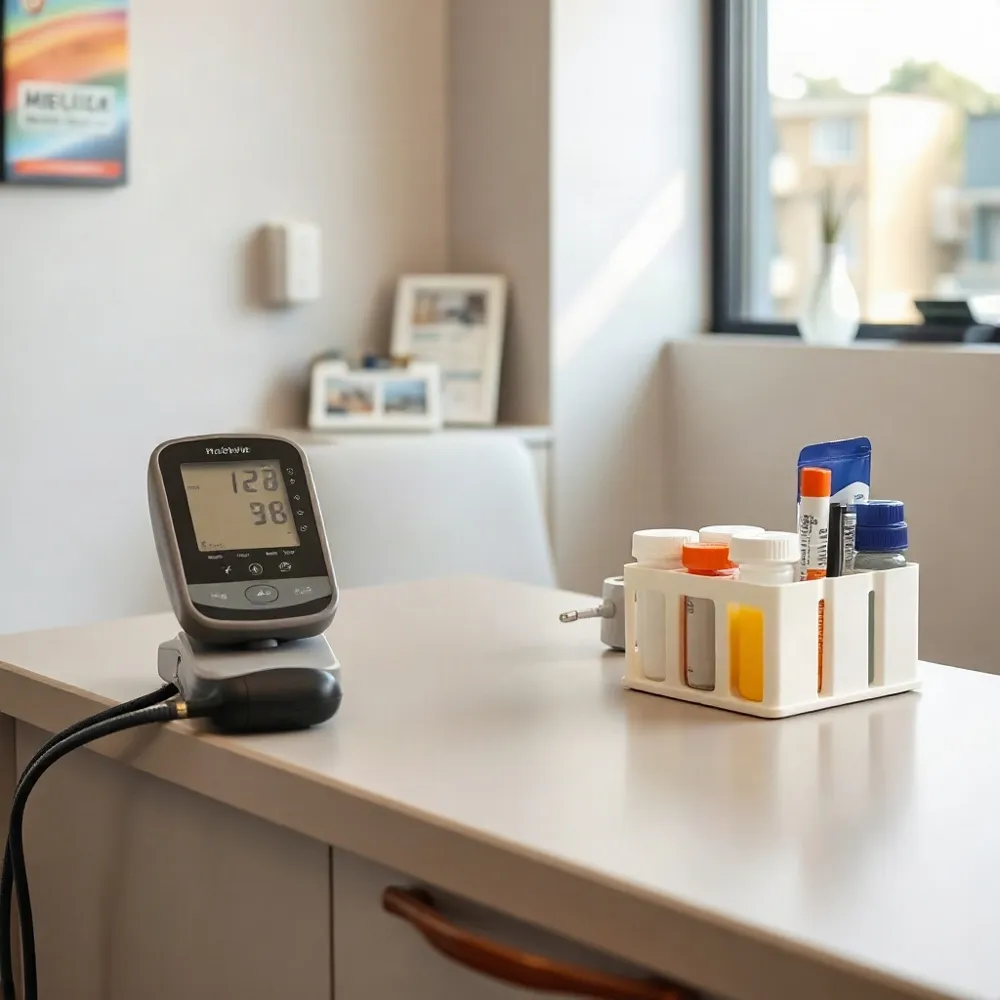 If your readings improve with diet and activity, don't stop your blood pressure medicine on your own. Those better numbers are likely thanks to both your healthy habits and your medication working together. Your blood pressure can rise again if you stop treatment. Keep tracking your readings as your doctor advised, and talk to them before making any changes. The CDC’s guidance on managing high blood pressure recommends taking medicine as directed and speaking with a clinician before stopping.
If your blood pressure is significantly above normal, it's important to see your doctor promptly, even if you feel fine. Many people can keep up their daily routines while managing it. Your care plan might include medication along with practical steps like cutting back on salt, staying active, and managing your weight. Take your medicine as prescribed, check your blood pressure as recommended, and keep your follow-up appointments so your doctor can adjust your plan as needed. Seek emergency help for chest pain, trouble breathing, or other severe symptoms.
If your numbers are still higher than your goal, don't worry. It could be something simple like a missed dose, how you're measuring, or another medication you're taking. Your doctor can help sort it out. It's also common for home readings to differ from clinic ones. If your doctor suggests it, feel free to bring your home monitor and log to your next visit. A family-focused Forest Hills practice serving adults and children can make it easier for Queens households to discuss ongoing health needs with one physician. Maged Youssef, MD, FAAP brings more than 30 years of experience and board certification in pediatrics and internal medicine.
In rare cases, blood pressure stays high even with medication. If this happens, your doctor will work with you to find the cause. They might review your readings and medications, check your monitor technique, and look into possible causes like how your kidneys are working or if you have sleep apnea. Do not change doses or add supplements without medical advice. Regular follow-up helps your doctor decide what to investigate and whether your care plan needs adjustment.
Steady Steps With Support
Managing adult blood pressure is an ongoing process, not a test you have to pass on your own. Accurate home readings, habits you can maintain, and regular clinician follow-up work together. Keep a record of your readings and share it with your health care team, as the CDC’s guidance on managing high blood pressure recommends.
At appointments, bring your questions and a current list of medicines and supplements. Ask which changes fit your health, schedule, and goals, and when to check in again. Treatment is personal, and lifestyle changes do not replace medication when it is needed.
For Queens families, having adult and pediatric care in one Forest Hills practice can simplify the work of looking after everyone. Maged Youssef, MD, FAAP brings more than 30 years of experience and board certification in pediatrics and internal medicine, so adults managing hypertension and parents arranging care for children can see one physician. Your blood pressure plan still depends on your readings and individual health, with follow-up to adjust it when needed.