A Preventive Visit for Every Stage
What should you expect when you bring your child in for a routine checkup? A well-child visit is more than a quick physical, and it is not only for times when your child is sick. It gives you and your pediatrician time to review growth and development, discuss everyday questions, and plan care suited to your child’s age. The American Academy of Pediatrics’ well-visit guidance explains how preventive visits support children even when they seem healthy.
For Queens families, having care for more than one generation in one practice can make routine health needs easier to coordinate. In Forest Hills, Maged Youssef, MD, FAAP, provides pediatric and adult primary care, bringing his more than 30 years of experience and board certification in pediatrics and internal medicine to families seeking care for children and adults.
Why Routine Checkups Matter
 A well-child visit is a routine checkup for a child who is not sick. The doctor reviews growth and development, performs a physical exam, and considers whether screenings or immunizations are due based on the child’s age and health history.
These appointments also make room for questions about sleep, nutrition, safety, school, or changes you have noticed. Regular checkups can help identify concerns early and keep preventive care on track, while giving the doctor and family time to build a relationship over the years.
The American Academy of Pediatrics’ preventive care guidance recommends well-child visits even when a child appears healthy. The schedule is a guide, and a child’s needs or health history may call for a different plan, so discuss timing and care with your doctor.
For Queens families, continuity can also mean fewer separate stops for care. In Forest Hills, Dr. Youssef brings more than 30 years of experience and board certification in pediatrics and internal medicine to a practice that cares for children and adults. Families can discuss preventive care for different generations with one physician who has a long-term view of their health.
Keeping Up With Recommended Visits
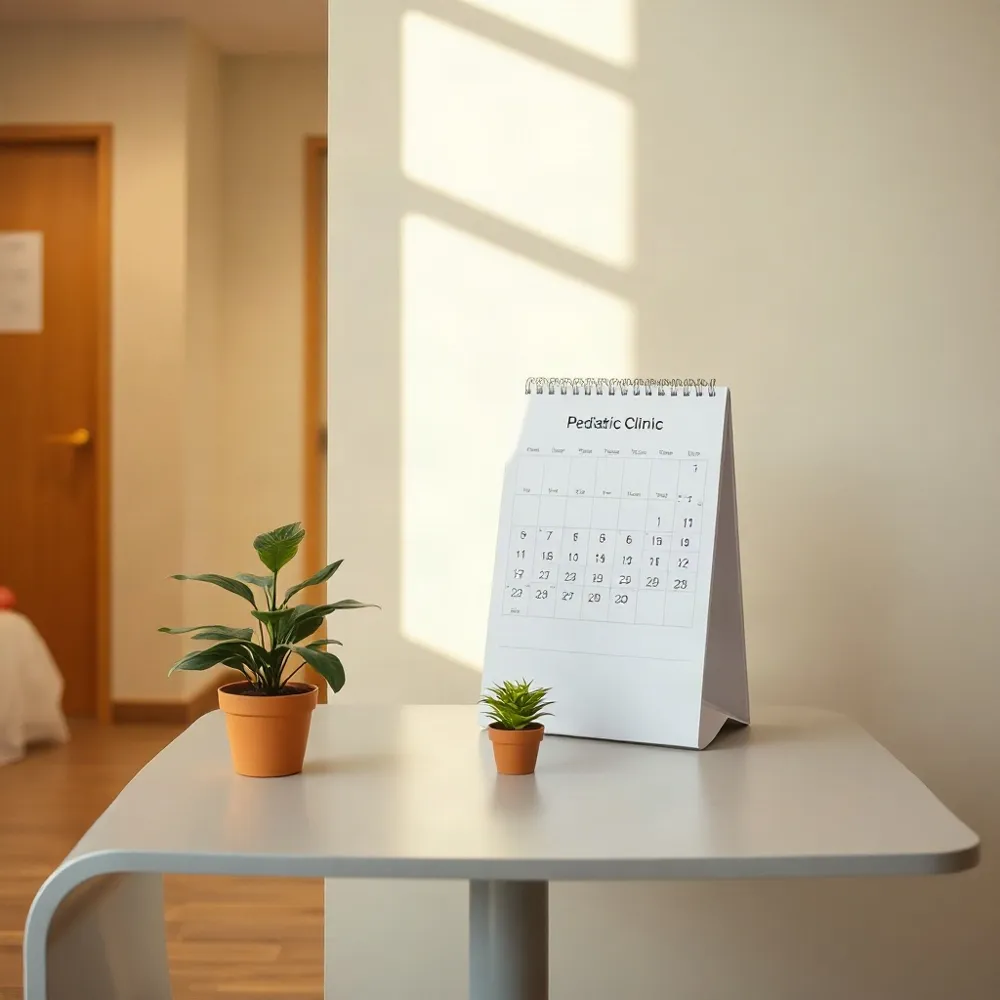 The American Academy of Pediatrics recommends checkups beginning at birth and during the first week, then at 1, 2, 4, 6, 9, 12, 15, 18, and 24 months. From age 3 through 21, children generally have a visit once a year. The AAP Periodicity Schedule outlines recommended screenings and assessments at these visits.
Visits are closer together in infancy and early childhood, when growth and development change quickly. Annual checkups remain useful through adolescence, giving your doctor time to follow your child’s progress and review any questions. At Maged Youssef, MD, FAAP’s Forest Hills practice, families can receive pediatric and adult care under one roof, making routine care easier to coordinate.
The schedule is a guide, not a fixed plan for every child. Health concerns or individual circumstances may call for additional appointments, as the AAP explains. Ask your doctor what timing fits your child, and set a calendar reminder or book the next checkup before leaving. Dr. Youssef brings more than 30 years of experience and board certification in pediatrics and internal medicine to care for Queens families.
What Happens During the Appointment
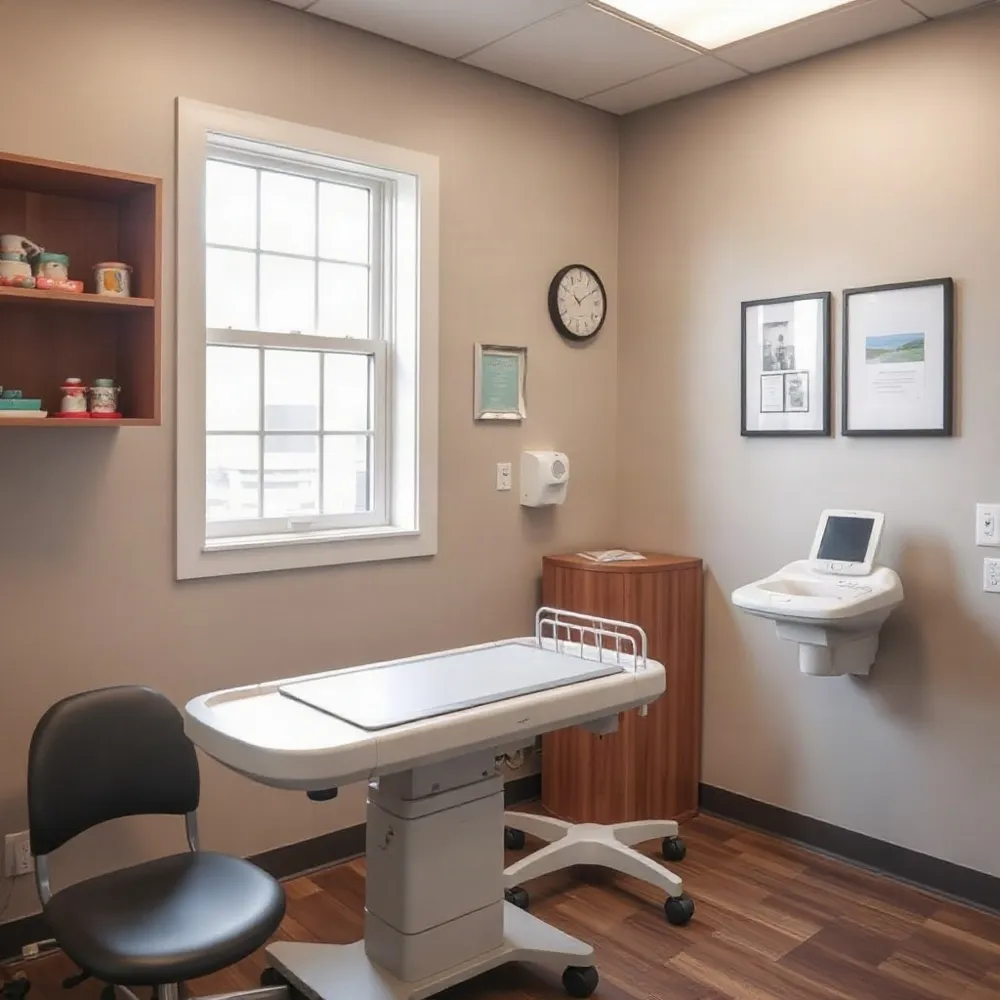
A well-child visit is more than a quick physical. At check-in, a nurse or medical assistant may measure your child’s height and weight, take vital signs, and ask about health and development before the doctor joins you. These details help the care team understand how your child is doing.
The doctor reviews growth over time and may listen to the lungs, examine the eyes, ears, nose, and mouth, check the abdomen, and assess bones and joints. Depending on your child’s age and needs, the visit may also include hearing or vision checks, developmental screening, or a conversation about emotional well-being. Well-child visits can include different screenings based on the child and the appointment.
There is time for questions and conversation, too. You might discuss sleep, feeding, nutrition, safety, behavior, school, friendships, family changes, or anything else on your mind. At Maged Youssef, MD, FAAP, families in Forest Hills and nearby Queens communities can bring children and adults to one family-focused practice, with Dr. Youssef’s experience in both pediatrics and internal medicine supporting care across ages.
Before you go, write down recent changes and your main questions, and bring relevant family health history. The American Academy of Pediatrics’ visit guidance recommends raising your top concerns early, so there is time to address them. If your child feels nervous, explain what to expect calmly, bring a favorite toy or blanket, and stay close for reassurance.
Vaccines and Preventive Planning
 Are vaccines given during well-child visits? Yes. Many routine childhood vaccines can be given during a well visit when they are due. The doctor checks your child’s age, health needs, and vaccination history before recommending what comes next.
Vaccines are often given near the end of the appointment, after the examination. Bring any vaccine records you have, especially if your child is new to the practice or received doses elsewhere. The American Academy of Pediatrics explains that well visits are an opportunity to review immunizations as part of preventive care (AAP well-child care guidance).
If you are unsure what is due, ask the doctor to review the record with you. If a dose was missed, the doctor can explain the options and discuss a catch-up plan, so you do not have to guess or assume that every child needs the same vaccines at each visit.
At the Forest Hills practice of Maged Youssef, MD, families can discuss a child’s preventive care with a physician who is board-certified in pediatrics and internal medicine and has more than 30 years of experience. That continuity can be especially helpful when coordinating care for children and adults in the same family.
Well Visits and Sick Visits Serve Different Needs
A well-child visit is preventive, even when your child feels healthy. It gives you and the doctor time to review growth, development, sleep, nutrition, and behavior, along with screenings and vaccines that may be due. The American Academy of Pediatrics’ well-visit guidance describes these visits as part of ongoing care, not just a response to illness.
An illness appointment focuses on a current problem, such as a fever, cough, sore throat, or rash. The clinician can assess the symptoms and decide whether testing or treatment is needed. If your child is sick, tell the office when you book rather than waiting for a routine checkup.
If a new concern comes up during a scheduled well visit, mention it to the office in advance when possible. It may need more evaluation or a separate appointment, and additional services may affect billing. For general guidance on what preventive visits can cover, MedlinePlus explains well-child care.
In Forest Hills, Maged Youssef, MD, FAAP provides pediatric and adult primary care in one family-focused practice. For Queens families, that means children’s preventive care and adults’ primary care are available in the same setting, with a physician who has more than 30 years of experience and is board certified in both pediatrics and internal medicine.
Make the Visit Work for Your Family
A well-child visit is a good time to raise questions that may not fit into a conversation about a new illness. Write down concerns about sleep, eating, behavior, school, or development, and bring your child’s medication and vaccine records. The American Academy of Pediatrics recommends preparing questions and discussing your main concerns early in the visit.
Share changes in your child’s health and family circumstances openly, even if they seem minor. Maged Youssef, MD, FAAP brings more than 30 years of experience in pediatrics and internal medicine to a family-focused practice in Forest Hills. Before leaving, ask the office when to schedule the next preventive visit, and check with your child’s doctor about care suited to their individual needs.
For families in Forest Hills, Rego Park, Kew Gardens, and Middle Village, having pediatric and adult care under one roof can make routine care easier to coordinate for children and grown-ups alike.