
A Parent’s Guide to Allergy Season
If your child has been sneezing for weeks with a stuffy or runny nose, they may be one of the nearly one in five children who experience seasonal allergies. Up to 40% of children suffer from allergic rhinitis, a collection of nasal symptoms caused by an overreaction to inhaled substances like pollen, mold, or dust mites.
Climate change is making this problem more common by creating longer pollen seasons and greater pollen production each year. When allergies go untreated, they can rob a child of sleep, make it hard to focus at school, and cause them to miss days of outdoor play.
This guide will help you spot the difference between allergies and a cold, choose the right over-the-counter medicine, and know when it's time to see a healthcare professional. With 30 years of experience and board certification in both pediatrics and internal medicine, Dr. Maged Youssef, MD, FAAP and his Forest Hills practice are here to help your family through every sneeze and sniffle, from your youngest child to your grandparents.
Allergies or a Cold? Spotting the Difference
 When your child starts sneezing and sniffling, it is natural to wonder whether it is allergies or just a passing cold. Knowing the difference can help you choose the right treatment and get your child feeling better sooner.
A few simple clues can point you in the right direction. Seasonal allergies typically cause sneezing, itchy and watery eyes, and clear nasal mucus. These symptoms will linger for weeks as long as the trigger, whether pollen or pet dander, is present. A cold, on the other hand, often brings a fever, body aches, and mucus that becomes thicker and colored. Colds usually resolve within 7 to 14 days. If your child is under one year old, it is almost certainly a cold, since seasonal allergies are very rare in infants.
If you are every unsure, a visit with Dr. Youssef can quickly help you figure out what is going on. With over 30 years of experience and board certification in both pediatrics and internal medicine, the Allergy Care team at our Forest Hills practice can distinguish between a viral illness and an allergic reaction, so your child gets the right care without delay.
Common Allergy Triggers at Home and Outdoors
 Children can react to many different allergens, but most fall into two broad categories: environmental triggers you breathe in and food triggers you eat. Understanding which ones affect your child is the first step toward effective relief.
Environmental Allergens: What's in the Air?
Environmental allergens include pollen, dust mites, pet dander, and mold. Tree pollen appears in spring, grass pollen in summer, and ragweed in late summer and fall. Mold can be seasonal, like leaf mold in autumn, or year-round in damp indoor spaces. Dust mites and pet dander are common indoor triggers that can cause symptoms any time of year. Cockroach and mouse droppings can also trigger allergies, especially in urban homes.
Food Allergens: Common Culprits in Kids
According to the FDA, the nine most common food allergens are milk, eggs, wheat, soybeans, tree nuts, peanuts, fish, shellfish, and sesame. Together these account for about 90% of all food allergies. For younger children, eggs, milk, and peanuts are the most frequent triggers.
Many children outgrow allergies to milk, egg, wheat, and soy. Allergies to peanuts, tree nuts, fish, and shellfish are usually lifelong. If you suspect a food allergy, Dr. Youssef can help you identify the trigger through careful history and, if needed, coordinate with an allergist for testing.
Seasonal Timing and Year-Round Triggers
Knowing when each allergen peaks helps you plan ahead. Pollen counts are highest in the morning during ragweed season and in the evening during grass pollen season. Sunny, windy days are especially tough because pollen travels easily. Indoor triggers like dust mites and pet dander don't follow a season — reducing them requires consistent habits, such as washing bedding in hot water weekly and using allergen-proof covers on mattresses and pillows.
If your child's symptoms are persistent and not relieved by over-the-counter medicines, it may be time to explore whether environmental or food allergens are at the root of the problem. Dr. Youssef's Allergy Care page offers a starting point for families in Forest Hills and Queens looking for expert guidance.
Over-the-Counter Allergy Medications for Children
When your child's seasonal allergies flare up, you want a treatment that works fast and keeps them feeling like themselves. Pediatricians often reach for second-generation antihistamines like cetirizine (Zyrtec), loratadine (Claritin), and fexofenadine (Allegra) because they relieve sneezing, runny nose, and itchy eyes without causing the drowsiness of older formulas.
Cetirizine works within an hour, making it a good pick for fast relief, though it can make some children a bit sleepy. Loratadine is less sedating but takes up to three hours to kick in. Steroid nasal sprays such as Flonase (fluticasone) are considered the most effective single agents for allergic rhinitis, but they must be used consistently for several days to two weeks before symptoms improve. Allergy eye drops can soothe itchy, watery eyes and reduce eye rubbing that may lead to infection.
Always check the label to confirm a medication is right for your child's age — some products are approved for children as young as 6 months. Avoid first-generation antihistamines like diphenhydramine (Benadryl), which can cause excessive drowsiness and safety concerns in children. Never give more than one oral antihistamine at a time unless directed by your pediatrician. Dr. Maged Youssef can help your family choose the safest, most effective option during a visit.
Safe Allergy Relief for Toddlers and Infants
When your little one is sniffling and miserable, finding a treatment that is both safe and effective feels urgent. The good news is that several over-the-counter options are approved for young children. Always start by checking the product label and confirming with your pediatrician, especially for children under 2.
Medication Options by Age
For infants as young as 6 months, cetirizine (Zyrtec) is available in a liquid form. For toddlers over 1 year, loratadine (Claritin) can be given, but only under a pediatrician's guidance. These second-generation antihistamines are preferred because they are less likely to cause the drowsiness associated with older medications.
Non-drowsy liquid or chewable formulas are generally easiest for toddlers. A common starting point for children age 2 is a low-dose (2.5 mg) chewable cetirizine tablet. Avoid multi-symptom cold and allergy combos, as they often contain unnecessary extra ingredients like decongestants or pain relievers that your child does not need.
Watching for Reactions in Young Children
Young children cannot always tell you what feels wrong, so you need to watch for behavioral cues. A child who refuses to eat a food after a few bites or keeps rubbing their eyes may be showing early signs of a reaction. For mild symptoms, an age-appropriate antihistamine and a cool compress can help. At our Forest Hills practice, we help families in Queens recognize these signals and create a clear plan.
When to Take Emergency Action
If you see swelling of the lips or tongue, trouble breathing, or rapidly spreading hives, treat it as a potential emergency. Administer an epinephrine auto-injector immediately and call 911, even if symptoms seem to improve. All caregivers should know about your child's allergy and carry epinephrine. A pediatrician can help you create a personalized action plan for peace of mind.
When Medications Aren’t Enough: Allergy Shots and Alternatives
If your child's allergy symptoms linger despite over-the-counter treatments, or if they experience frequent sinus infections or asthma attacks, allergy immunotherapy may be the next step. Also called allergy shots, this treatment works like a vaccine by gradually exposing the immune system to tiny amounts of the allergen, building natural tolerance over time.
Most experts recommend waiting until age 5 to start allergy shots, so children can communicate how they feel and tolerate the injections better. The process begins with a buildup phase of weekly shots for three to six months, followed by monthly maintenance shots that continue for three to five years. For many children, this can reduce the need for daily medications and even lower the risk of developing asthma.
A needle-free alternative is sublingual immunotherapy (SLIT), which uses under-the-tongue tablets. Currently approved in the US for grass and ragweed allergies, SLIT can be given at home and avoids the need for office visits for shots. It is not an option for tree pollen allergies, which are common in the Northeast.
Before starting immunotherapy, check with your insurance provider about coverage and discuss the treatment schedule, possible side effects, and medication interactions with your allergist. At our practice in Forest Hills, we can help your family explore all options to find lasting relief from seasonal allergies.
Helping Children with Allergic Asthma Breathe Better
When your child's allergy symptoms trigger wheezing, coughing, or shortness of breath, they may have allergic asthma. In this condition, the immune system's reaction to allergens like pollen or dust mites causes the airways in the lungs to swell and narrow, making it hard to breathe. Almost 40% of children with hay fever also have asthma, and uncontrolled allergies can make asthma symptoms worse.
Allergic asthma affects 6 million children in the United States and is a leading cause of emergency room visits and missed school days. The good news is that with proper management, most children can live active, healthy lives.
Medication-Free Ways to Help Your Child Breathe Easier
While medications are often necessary, you can reduce asthma triggers at home without a prescription. Keep windows closed on high-pollen days, use a HEPA filter in your child's bedroom, avoid smoke and strong fragrances, and control indoor humidity to discourage mold.
Encourage gentle breathing exercises and regular physical activity when symptoms are under control. Simple dietary changes, like adding more fruits and vegetables rich in antioxidants, may also support lung health by reducing inflammation.
Creating an Asthma Action Plan
An asthma action plan created with your doctor helps your family know exactly what to do during an attack, including which medications to use and when to seek emergency care. At our practice, where a single doctor cares for patients of all ages, we help families in Queens develop personalized plans that fit their child's needs and give parents peace of mind. Our long-standing expertise in family health means you can trust us to guide your child's asthma care.
Many children see their asthma symptoms fade as they grow, but regular checkups are needed to track changes and adjust care. With the right support, you can help your child breathe easier today and feel confident about their health tomorrow.
Smart Lifestyle Habits to Minimize Allergy Symptoms
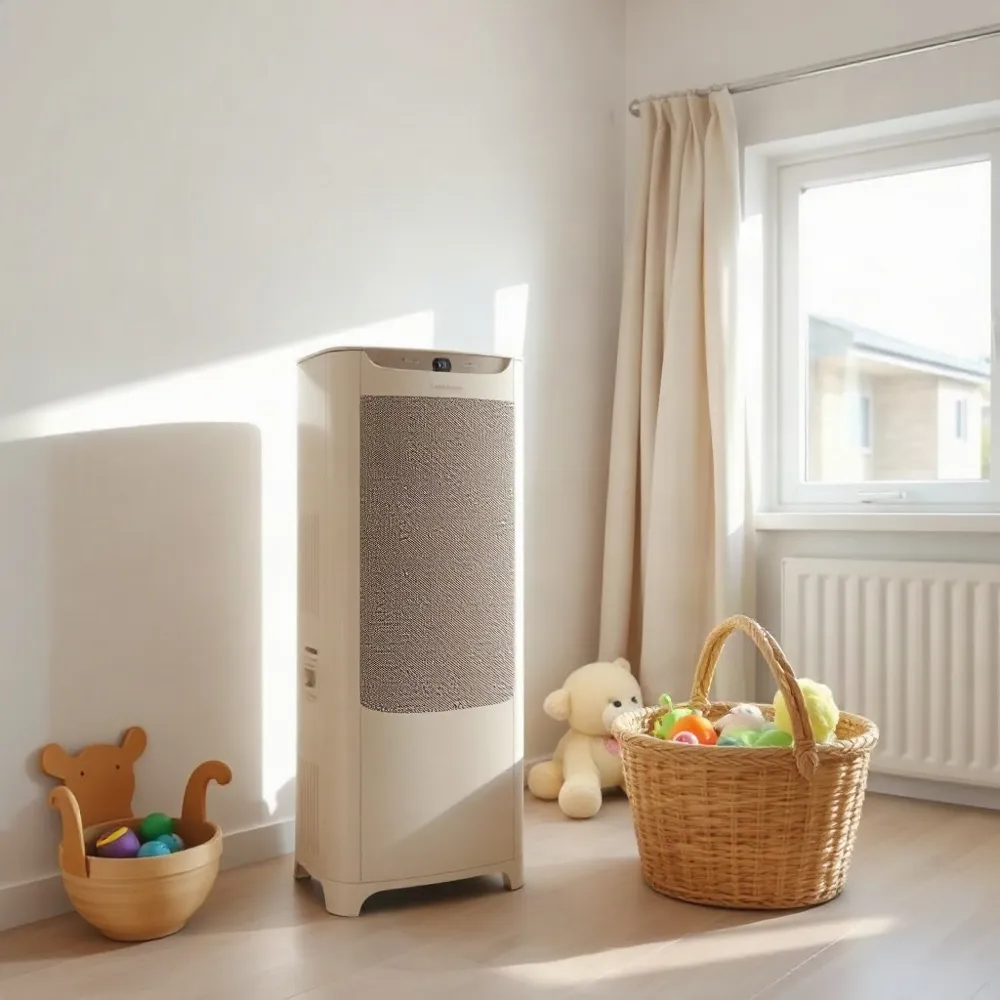 Small daily habits can make a big difference in how your child feels during allergy season. The first step is knowing when pollen counts are highest, which is typically between 10 a.m. and 4 p.m. During those hours, keep windows closed in the house and car, and run the air conditioner on recirculate mode to keep outdoor pollen out. You can also check online pollen forecasts each morning.
After your child plays outside, make it a routine to bathe, wash their hair, and change into clean clothes right away. Pollen clings to skin, hair, and fabric, so a quick clean-up helps stop it from spreading through the house. Wipe down pets after walks, too, because fur can carry pollen indoors.
Inside the home, use a HEPA filter in your child's bedroom and consider a whole-house filter for your central air system. Wash all bedding weekly in hot, soapy water, and use allergen-proof covers on mattresses and pillows. These steps trap dust mites and pollen that trigger symptoms.
One of the most effective strategies is to start allergy medications one to two weeks before the pollen season begins, rather than waiting until symptoms are severe. This gives the medicine time to calm the immune system for greater relief. Finally, talk to your child's teachers, coaches, and caregivers about their allergies and any treatment plan, so everyone is prepared to help. Dr. Youssef's practice in Forest Hills offers the convenience of a single doctor for every member of your family, backed by years of expertise, and we can help you tailor these habits to your family's schedule.
Your Partner in Family Allergy Care
Managing your child's allergies doesn't have to be a solo effort. Dr. Maged Youssef's practice in Forest Hills brings together pediatric and adult primary care in one welcoming office. Whether your child needs a checkup, an asthma action plan, or guidance on which over-the-counter medication to try, you have a single, trusted partner for the whole family.
With more than 30 years of experience and board certification in both pediatrics and internal medicine, Dr. Youssef understands that children's bodies react differently to allergens than adults do. His fellowship in pediatric critical care adds an extra layer of expertise for families managing conditions like allergic asthma. For many follow-ups, you can even use convenient video visits from home.
Families in Forest Hills, Rego Park, Kew Gardens, and Middle Village appreciate the unhurried, warm atmosphere where every family member can be seen at the same location. To get started on a personalized allergy and asthma plan for your child, schedule a visit with Dr. Youssef today.