
Your Child’s Asthma Can Be Managed at Home
Asthma is one of the most common chronic illnesses in children, affecting more than 6 million kids in the United States. It is also a leading cause of missed school days and emergency department visits. While asthma has no cure, the right approach at home can help control symptoms, reduce flare-ups, and prevent serious attacks.
Managing childhood asthma starts with a proactive, family-centered approach. When parents in Queens work closely with a trusted pediatrician to create a personalized plan, children can breathe better, sleep through the night, and stay active with their friends. At Maged Youssef, MD, FAAP, we help families build practical, everyday strategies that fit right into your home routine.
This guide covers the simple steps you can take today to recognize symptoms early, avoid common triggers, use medications correctly, and know what to do in an emergency. With the right tools and support, your child can thrive at school, on the playground, and beyond.
Recognize the Signals: Common Asthma Symptoms
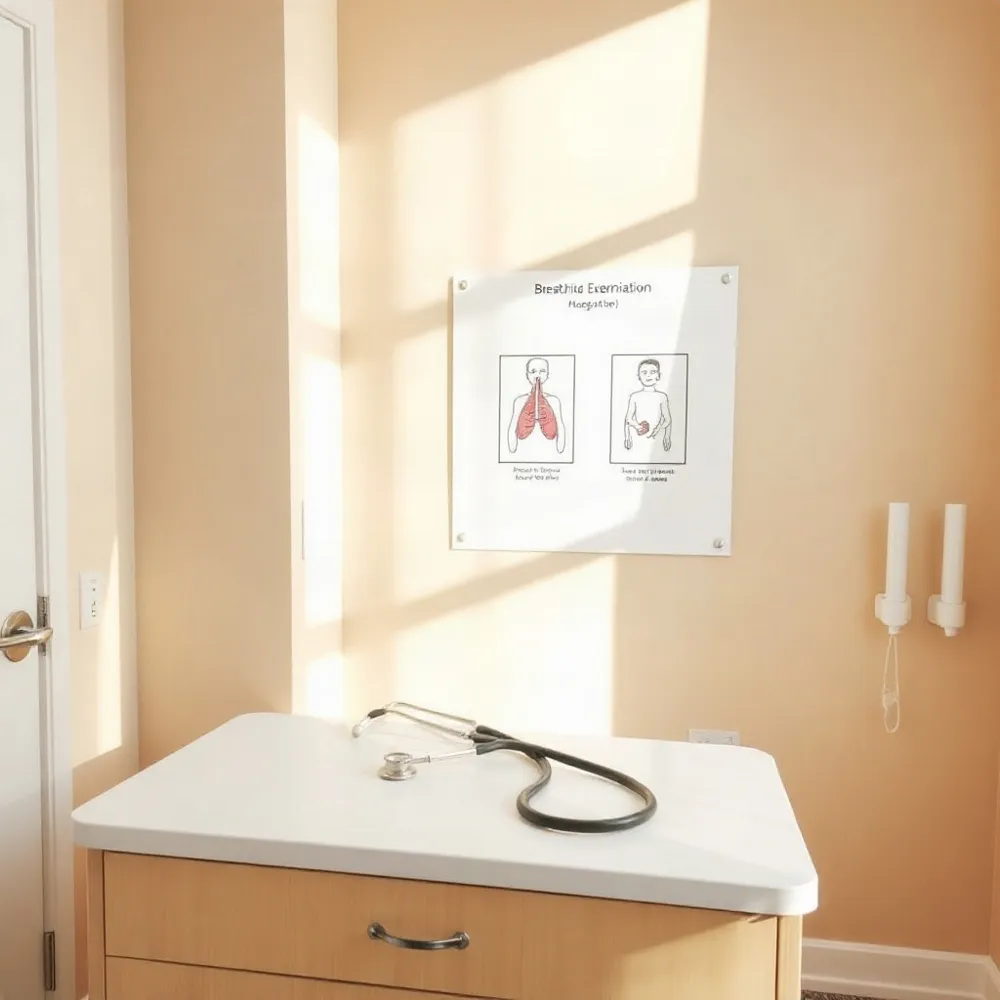 Asthma symptoms in children can be subtle at first. You might hear a cough that seems to hang around long after a cold is gone, or notice your child seems unusually tired after playing outside. The most common signs include coughing (especially at night), a whistling sound called wheezing when your child breathes out, shortness of breath, and a feeling of tightness or congestion in the chest.
Symptoms often flare up in specific situations. They may get worse when your child has a cold, during or after physical activity, or when they are exposed to cold air. Some children complain that their "chest hurts" or feels "funny" — those words can be an early warning sign. Because triggers and symptoms vary so much from one child to another, getting an accurate diagnosis from a pediatrician is important. At myoussefmd.com, we help families in Forest Hills recognize these signals early and build a plan that keeps children active and sleeping well.
Your Child’s Personal Roadmap: The Asthma Action Plan
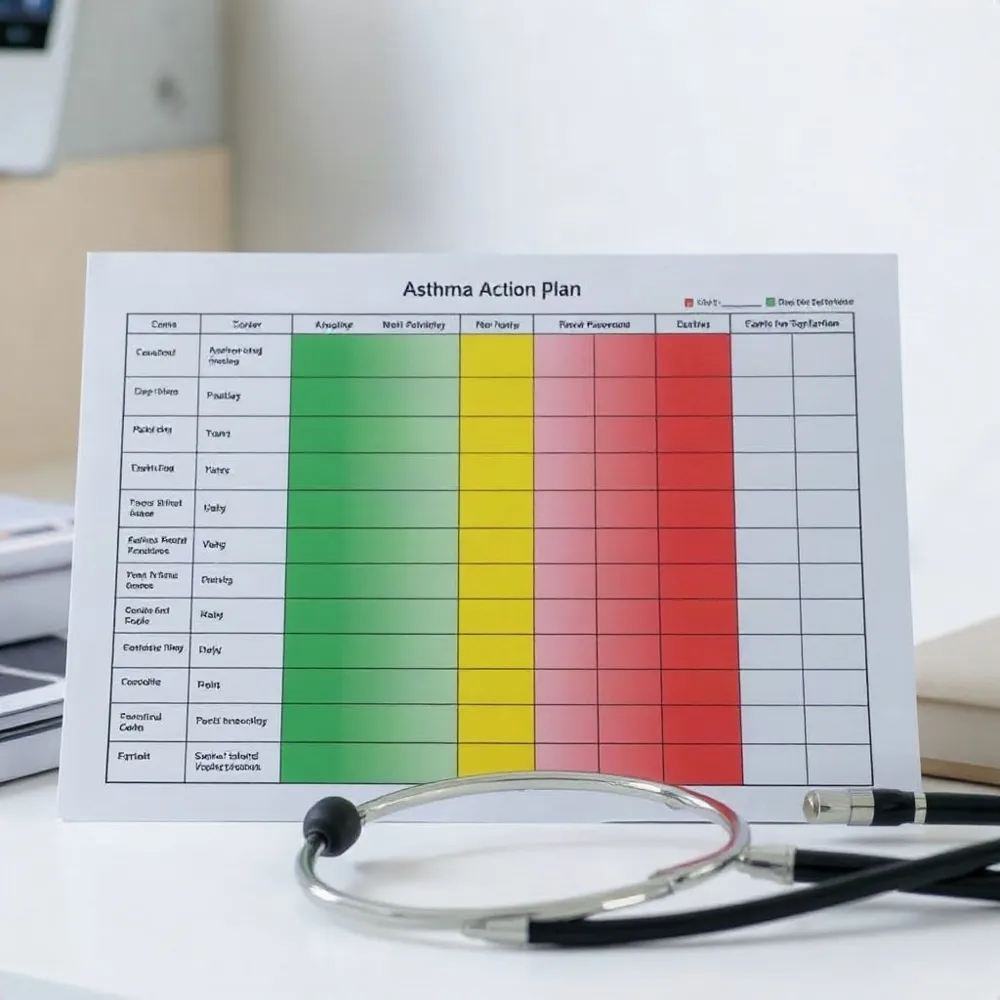 Think of an Asthma Action Plan as a personalized, written guide that helps you and your child manage asthma every day and in case of an emergency. Created with your pediatrician, it puts everything you need — medications, triggers, and emergency steps — in one clear place.
Most plans use a simple color-coded system. The Green Zone means your child feels good and has no symptoms. In this zone, they take their daily controller medicine (such as an inhaled corticosteroid) to prevent flare-ups. The Yellow Zone signals caution — your child is having mild symptoms like coughing or wheezing. Here you add a quick-relief (rescue) inhaler like albuterol and watch closely. The Red Zone is an emergency: symptoms are severe, rescue medicine isn't working well, and you need to call 911 or head to the emergency room.
Your plan also lists your child’s specific triggers and the medicines to take for each zone. Share copies with school staff, aftercare providers, and any adult who cares for your child. At myoussefmd.com, Dr. Youssef helps families in Forest Hills fill out these plans so everyone is on the same page — at home and away.
Five Common Culprits: Identify and Avoid Asthma Triggers
 Asthma triggers are different for every child and can even change as they grow older. Something that sets off symptoms one season may not bother them the next. Figuring out your child’s personal triggers is one of the most effective ways to prevent flare-ups and keep them active and healthy.
Respiratory infections. Colds, the flu, RSV, and other respiratory infections are the most common trigger of asthma flare-ups in children. Breathing problems from a cold can last days or even weeks after the infection clears. Frequent hand washing and yearly flu shots for everyone in the family over 6 months old can help.
Allergens. Pollen, dust mites, mold, and pet dander are classic allergy triggers. During high-pollen seasons, check local counts and plan indoor activities when levels are highest. In the bedroom, use allergen-proof covers on mattresses and pillows, and wash bedding in hot water weekly.
Irritants. Tobacco smoke is one of the most harmful irritants for children with asthma. Secondhand smoke and vape chemicals can cause sudden, severe flare-ups and lead to permanent lung damage. Also watch for strong odors from perfumes, cleaning products, and air fresheners.
Weather changes. Cold, dry air and hot, humid air can both trigger symptoms. On problem days, limit time outdoors, cover your child’s nose and mouth with a scarf in cold weather, and keep them in an air-conditioned space when it is hot and humid.
Strong emotions and exercise. Laughing, crying, stress, and physical activity are common triggers that should be managed, not avoided. Exercise is important for health, so talk with your child’s doctor about pre-treating with medication before sports and warming up properly.
Tracking symptoms in an asthma diary can help pinpoint what sets your child off. Note when and where symptoms happen, what your child was doing, and which medicines were used. Share this diary at each visit with your pediatrician so the asthma management plan stays up to date.
Three Zones, One Goal: Medication Made Simple
Asthma medicine falls into two main groups. Long-term controller medicines, such as inhaled corticosteroids (fluticasone or budesonide), are taken daily to keep airway inflammation down and prevent symptoms from starting. Quick-relief rescue medicines, like albuterol, work within minutes to stop symptoms once they have begun and last about 4 to 6 hours.
Doctors often use a stepwise approach to find the right balance. When a child's symptoms are not well controlled, treatment is stepped up (a higher dose or an added medicine). When asthma is quiet for a good stretch, it may be stepped down. This keeps the dose effective while limiting side effects.
The medicine needs to reach the lungs the right way. For younger children, a metered dose inhaler with a spacer (a holding chamber) helps the dose get where it is needed. An older child may use a dry powder inhaler, which requires a deep, fast breath. For very young children, a nebulizer turns the medicine into a fine mist that they breathe in slowly through a mask.
At Maged Youssef, MD, FAAP, we take the time to explain and demonstrate the device that fits your child's age and ability. We also work with you to keep the asthma action plan clear and updated, so you know exactly which medicine to give in the Green Zone (feeling good), the Yellow Zone (symptoms starting), and the Red Zone (emergency). This takes the guesswork out of daily care.
Sweet Dreams: Helping Your Child Sleep Through the Night
At our family practice in Queens, we understand the challenges of helping a child with asthma sleep through the night. With one doctor caring for every member of your family, we've seen how nighttime coughing and breathing trouble can disrupt sleep and leave your child tired the next day. Fortunately, a few practical adjustments can make a real difference.
Start with the basics: make sure your child takes their daily asthma medication as prescribed, even on good days, to keep airways healthy. In the bedroom, use special covers on the mattress and pillows to block dust mites, a common trigger. Keep pets out of the sleeping area, as pet dander can settle on bedding. If the air feels dry, running a cool-mist humidifier can help keep airways from getting irritated. American Lung Association recommends reducing indoor triggers to improve sleep and prevent symptoms.
Another simple tip is to elevate the head of your child's bed by placing a pillow or a firm wedge under the mattress (not just under the child's head). This slight incline can help keep airways more open during sleep. If nighttime coughing continues despite these steps, talk with your pediatrician about adjusting the medication dose or the timing of daily doses to better cover overnight hours.
Keep an Eye on It: Using a Peak Flow Meter at Home
A peak flow meter is a simple hand-held device that measures how forcefully your child can blow air out of their lungs. Using it daily at home gives you an early-warning system: low readings can signal worsening asthma sometimes before your child feels any symptoms. That early heads-up lets you adjust medicine or avoid triggers before a flare-up takes hold.
These readings fit right into the green-yellow-red zones of an Asthma Action Plan. When the number drops, your child is moving from "green" (feeling good) toward "yellow" (needing quick-relief medicine). At Maged Youssef, MD, FAAP, we help families in Forest Hills set a personalized peak-flow goal for each child and show them how to track it the same time every day. A consistent routine makes the numbers much more useful.
You may hear about a "4 by 4 rule" as a handy memory aid. The idea is that a peak flow reading four times lower than your child's personal best, or needing four or more puffs of a rescue inhaler in a day, or waking up four or more nights per week because of asthma, are all signs to call your pediatrician. That rule is a practical surveillance tool, but it is not a substitute for the specific instructions your provider writes in your child's Asthma Action Plan. Follow the plan's own green-yellow-red triggers — and ask us at your next visit if you would like help using your peak flow meter more effectively.
Clean Air Starts at Home: Create a Trigger-Free Zone
Making your home a safe haven for your child's lungs starts with a few practical changes. Covering mattresses and pillows with allergen-proof covers and washing all bedding in hot water once a week can significantly cut down on dust mites. Vacuuming with a HEPA filter, especially in the bedroom, traps particles that standard vacuums recirculate. At our Queens practice, we've been helping families manage asthma for years, and we know that a single doctor who treats every member of your family makes it easier to stay on top of these routines. Visit myoussefmd.com to learn more about how we can help your family breathe easier.
Smoke and vape exposure must be eliminated entirely. Cigarette smoke, campfires, and the chemicals in vape aerosol are some of the most common asthma triggers for children. If anyone in the household smokes, they should do so outside and away from the child. Avoid wood-burning stoves and fireplaces, as the American Lung Association notes that irritants in the air can cause sudden, severe flare-ups.
Controlling mold and mildew is another critical step. Fix water leaks immediately and dry damp areas within 48 hours. The CDC recommends keeping indoor humidity between 30% and 50% by using a dehumidifier in damp spaces like basements or bathrooms. Avoid using humidifiers, as they can promote mold growth if not cleaned regularly.
Finally, clear out scented products that irritate young airways. Scented candles, plug-in air fresheners, perfumes, and strong cleaning sprays can trigger coughing or wheezing. Switch to unscented, non-aerosol cleaning products and detergents. Replace chemical air fresheners with simple ventilation — open a window or run an exhaust fan. These small swaps create a cleaner, calmer breathing environment for your child.
When It’s Serious: Know the Warning Signs and Act Fast
When It’s Serious: Know the Warning Signs and Act Fast
If your child is in the middle of a severe asthma attack, every second matters. Warning signs include serious trouble breathing, no improvement after using a quick-relief rescue inhaler (such as albuterol), not being able to speak without gasping, nostrils that flare with each breath, peak flow meter readings in the red zone, or lips and fingernails that turn blue.
In an emergency, give the rescue inhaler right away and call 911 or go to the emergency room immediately. Do not wait to see if symptoms improve on their own.
If your child is coughing and you do not have an inhaler available, call your pediatrician or seek emergency care — never rely on over-the-counter cough syrup. The Asthma Action Plan created with your healthcare team is your most important tool for knowing when to act quickly to prevent a serious attack.
A child who frequently needs a quick-relief inhaler may not have their asthma under control. That is a sign that the Asthma Action Plan should be reviewed and adjusted so your child stays safer day to day.
Growing Up with Asthma: From Baby to Teen
Asthma can appear at any point in childhood. A child who has shown no breathing trouble at age 9 may start coughing persistently after a cold at age 10, triggered by new allergies, a respiratory infection, or changes in their environment. This late-onset asthma can be surprising, but with proper testing and a personalized plan, it can be managed effectively.
You may have heard that children outgrow asthma. For some, that is true: as the lungs grow larger and stronger, symptoms can become much milder. For many others, though, asthma is a lifelong condition that may quiet down for years only to return later. Regular check-ups with a doctor who knows your child's history, like Dr. Youssef in Forest Hills, help you adjust the plan as your child grows, keeping symptoms under control at every stage.
Babies Under 2
Asthma is harder to diagnose in babies, because their tiny airways make wheezing and coughing easy to mistake for a cold or reflux. If your little one has recurrent wheezing, trouble feeding, or a persistent cough, see your pediatrician early for an accurate evaluation. Treatment for infants often involves a nebulizer with bronchodilators and careful avoidance of triggers. Never use over-the-counter cough medicines or adult inhalers on a baby. For families in Queens, having a single trusted doctor for all ages means consistent guidance from newborn checkups through asthma management.
Teens
The teenage years bring their own challenges. Hormonal changes can make asthma symptoms more frequent, and the desire for independence may lead teens to skip medication or forget their inhaler. Encourage your teen to take an active role in their own asthma action plan and to self-carry their rescue inhaler at school. Open, non-judgmental conversations about their condition help them feel in control rather than restricted, and that confidence carries into adulthood.
| Age Group | Key Concern | Management Tip |
|---|---|---|
| Under 2 | Hard to diagnose, symptoms mimic colds | Use nebulizer; avoid smoke and strong odors |
| 5–11 | Missed school days, exercise triggers | Follow green/yellow/red action plan zones |
| 10+ | Late-onset asthma possible | Test for new allergies; adjust treatment |
| Teens | Hormones, rebelliousness, forgetting meds | Encourage self-carry and active plan ownership |
You Are Not Alone in This Journey
Managing childhood asthma may feel overwhelming at first, but the steps you need to take are straightforward. A personalized Asthma Action Plan, awareness of triggers, correct medication use, and a healthy home environment all work together to help your child breathe easier.
With these tools in place, most children can experience fewer flare-ups, sleep better at night, and get back to the activities they love. The goal is not just to control asthma, but to minimize its impact on daily life. Many children see real improvements that allow them to focus on school, play, and simply being a kid.
Having a trusted physician for the whole family makes a difference. At Maged Youssef, MD, FAAP in Forest Hills, Queens, we offer pediatric and adult care under one roof with 30+ years of experience in both pediatrics and internal medicine. We partner with families through every stage of asthma care, from young childhood through the teen years, because asthma management changes as your child grows.