Care That Fits Your Family
For families in Forest Hills, Rego Park, Kew Gardens, and Middle Village, choosing between a video visit and an office appointment often comes down to the health concern and the day’s schedule. A remote visit may make a follow-up easier to fit around work or school, while an office visit allows for hands-on care when needed.
The two formats can work together rather than compete. A clinician may be able to discuss symptoms or review ongoing care by video, but recommend an office visit when an examination, test, or treatment is needed. U.S. Department of Health and Human Services guidance on telehealth explains that suitability depends on the health concern.
At Maged Youssef, MD, FAAP’s family-focused practice, children and adults can receive primary care from one physician. Dr. Youssef is board-certified in pediatrics and internal medicine and has more than 30 years of experience, helping families coordinate care across ages while choosing the appointment format that fits each need.
How Video Visits Work
A video visit is a live conversation with a clinician using a phone, tablet, or computer. From home or another private spot, you can describe what is bothering you, answer questions, and discuss a care plan. For families in Queens, video visits with Maged Youssef, MD, FAAP can make many follow-ups easier to fit into a busy day, while keeping care connected across children and adults.
The doctor may ask detailed questions about symptoms, health history, and medicines, and may be able to view visible concerns on screen. A video call cannot provide a full hands-on examination, lab work, or an in-office procedure. The UC San Diego Health guide to video visits explains how clinicians can discuss symptoms and assess visible concerns remotely, while deciding when an in-person evaluation is needed.
Before booking, contact the practice to ask whether your concern is suitable for video, how to schedule, and how to join. Check your camera, microphone, internet connection, and device battery ahead of time. Choose a quiet, well-lit place, and keep a list of symptoms, medicines, and questions nearby. The HHS telehealth visit preparation guide offers practical advice for getting ready.
A remote assessment may show that an office visit or testing is the safer next step. Dr. Youssef, who is board-certified in pediatrics and internal medicine, can help families understand what kind of appointment their concern calls for; follow the clinician’s recommendation if an examination is needed.
Convenience Across Generations
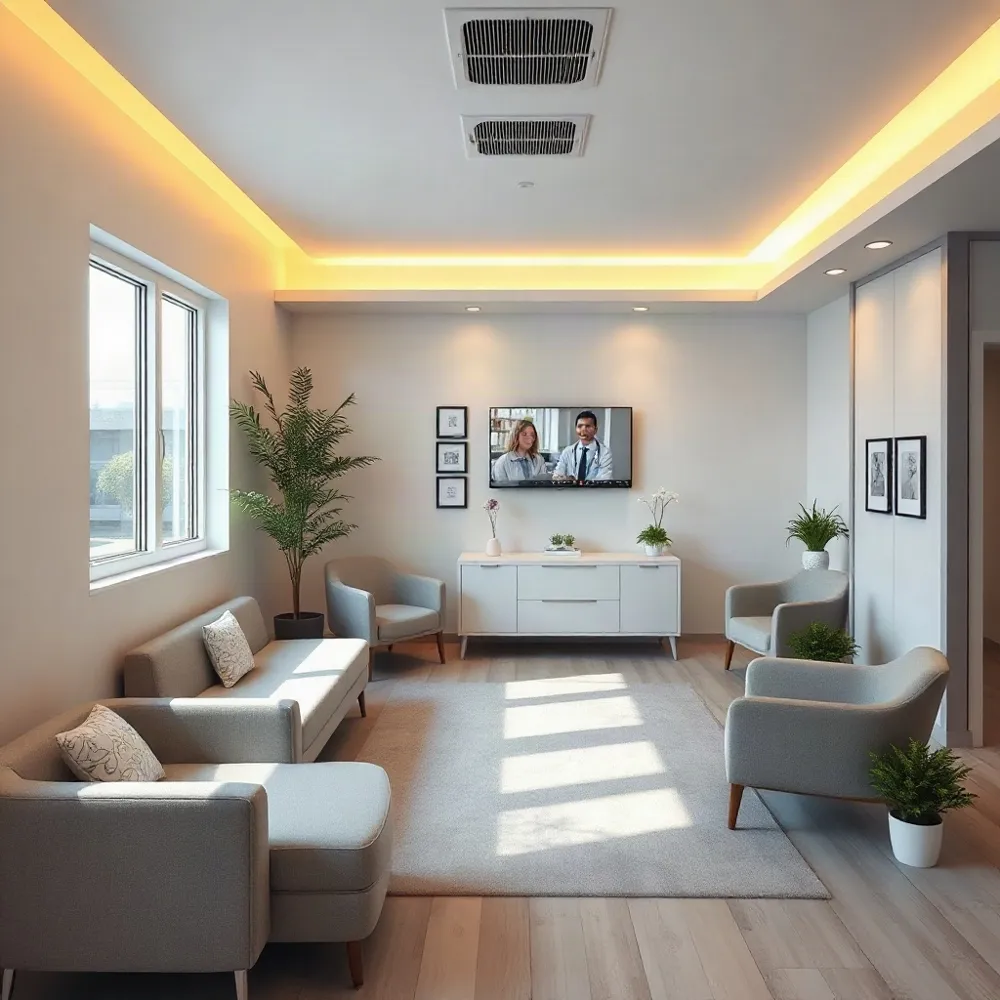 For your family in Forest Hills or nearby Queens neighborhoods, a video visit can mean less time spent traveling, in traffic, or looking for parking. That can make it easier to fit a follow-up around work, school, and caregiving. You may find that video visits save time and offer convenience, though they are not right for every concern.
When getting to the office is difficult, speaking with Dr. Youssef from home can make a follow-up more manageable. He cares for children and adults, so your family can turn to one physician for many health needs rather than coordinate care across separate practices.
Dr. Youssef brings more than 30 years of experience and board certification in both pediatrics and internal medicine. This experience allows him to care for patients of all ages and help decide whether a video visit or an in-person appointment is best for your concern. The right format depends on the reason for the appointment and whether an in-person examination is needed.
Concerns Video May Help Address
A video visit may work well for a follow-up when you want to discuss how a treatment is going, check in about asthma symptoms, or review test results and next steps. These conversations can help parents and adult patients stay connected with care without an office trip when an examination is not needed. The HHS guide to conditions that may be treated through telehealth offers general guidance, but your clinician must assess your particular concern.
For families in Queens, having one physician who cares for both children and adults can also make follow-up questions easier to coordinate. Maged Youssef, MD, FAAP is board-certified in pediatrics and internal medicine and offers video visits for many follow-ups, while maintaining in-person care when an exam or testing is needed.
These examples are possibilities, not a guarantee that every symptom can be assessed safely on screen. A new or changing concern may call for a hands-on examination, tests, or an office visit. Research describes telehealth as a useful supplement to in-person care, while noting that remote visits can limit physical examination (review of telehealth benefits and barriers).
If you are unsure which format fits, call the practice and describe what has changed, how long it has been happening, and any treatment already tried. The clinician can help decide whether video is appropriate or whether an office appointment would provide a clearer assessment.
When an Office Exam Matters
 A video visit can help Dr. Youssef see a visible concern and ask you or your child to show it on camera. He may also guide you through simple checks, such as taking a temperature. But a screen cannot replace hands-on examination, laboratory tests, or procedures.
Can a doctor perform a physical exam during a telehealth visit? Only in a limited way. A clinician can observe what the camera shows and ask questions, but cannot listen to the lungs or examine an area by touch. Telehealth research describes these limits and supports using remote care alongside, not instead of, in-person visits when an examination is needed.
An office appointment may be the better choice when a concern needs a physical exam, lab work, measurements, screening, or treatment that cannot be provided remotely. New or worsening symptoms can also be hard to assess on screen. Video may be less useful if you or your child cannot comfortably explain what is happening or show the affected area clearly.
For families in Forest Hills and nearby Queens neighborhoods, Dr. Youssef’s experience in both pediatrics and internal medicine helps him care for children and adults while considering whether a concern needs an office assessment. His practice also offers video visits for many follow-ups, so remote care can be convenient when it suits the situation.
When should I choose an in-person appointment instead of telehealth? Choose one when an exam or test may be needed, or when symptoms are difficult to assess remotely. Severe or urgent symptoms should not wait for a routine video appointment. Seek prompt medical care, and call emergency services for a suspected emergency. If you are unsure, contact the practice for guidance. After a video assessment, Dr. Youssef may recommend an office visit if an examination or further testing is needed.
Prepare and Check Costs
 A little preparation can help your video appointment feel focused and comfortable. Before the visit, test your phone, tablet, or computer, including its camera and microphone, check the internet connection and battery, and confirm how to join. Federal telehealth visit preparation guidance also recommends getting ready before connecting.
Choose a quiet, private, well-lit place where you can speak freely. Have a caregiver nearby if you are helping a child or another family member. Keep your questions, symptom notes, medication and allergy information, and relevant home readings, such as temperature or blood pressure, within reach. Medication bottles, photos of a visible concern, and your pharmacy’s details may also help the conversation.
For families in Forest Hills and nearby Queens neighborhoods, video follow-ups with Maged Youssef, MD, FAAP can fit into a busy day while keeping care with a physician who treats both children and adults. If the connection fails or makes it hard to communicate, contact the practice. The doctor can advise whether to try again or arrange an office visit.
Telehealth does not always cost the same as an office appointment. Your out-of-pocket amount may depend on your insurance plan, the type of visit, and the practice’s billing policies. Video visit guidance from UC San Diego Health advises patients to check coverage and expected costs because insurance arrangements can vary.
Before scheduling, ask your insurer about coverage, copays, and possible charges, then confirm billing details with the practice. The office can also help determine whether your concern is suitable for video or needs an in-person examination. When a video follow-up is appropriate, it may save the trip and make it easier to coordinate care for your family.
Choose the Visit That Fits
For many follow-ups, a video visit can make it easier to check in without travel. An office appointment is still needed when care calls for a hands-on exam, testing, or treatment. Telehealth guidance from the U.S. Department of Health and Human Services can help explain what may be addressed remotely.
If you are unsure which format suits your concern, contact the practice before booking. Maged Youssef, MD, FAAP provides care for children and adults, bringing more than 30 years of experience and board certification in pediatrics and internal medicine to families seeking one trusted physician in Queens.