A Steady Point of Care
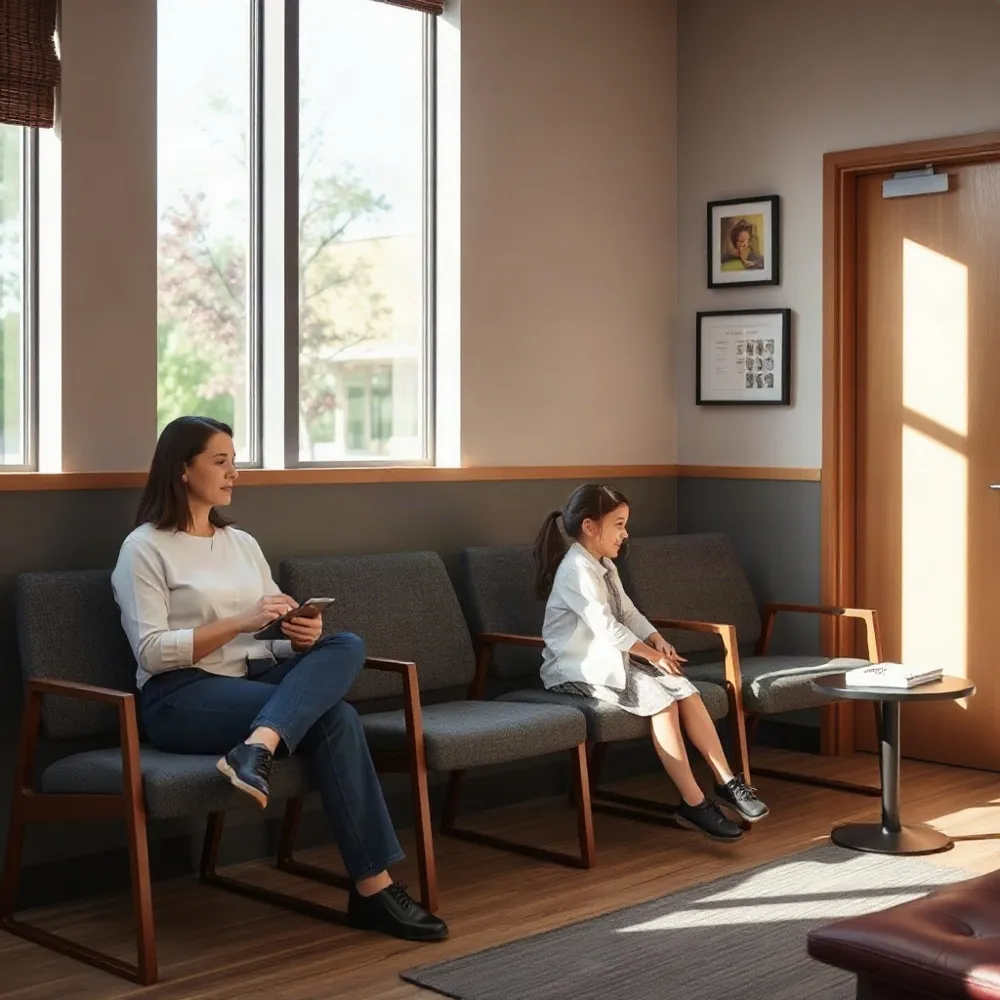
For Queens families, keeping up with care can mean separate appointments for a newborn, a school-age child, and an adult managing a chronic condition. As everyone’s needs change, it helps to have a familiar clinician who understands each person’s health history and concerns.
That ongoing relationship is called continuity of care: seeing the same clinician over time, so visits build on what they already know about you. Research describes continuity as both a lasting patient-clinician relationship and care that feels connected as needs evolve (patient-reported measures of continuity).
In Forest Hills, Maged Youssef, MD, FAAP provides primary care for children and adults in one practice. His board certifications in pediatrics and internal medicine, along with more than 30 years of experience, offer families a consistent point of contact from newborn care through adult health needs.
What Continuity Can Mean for Families
 A continuing relationship can save families from having to rebuild the story at every appointment. When a doctor knows a patient’s history, preferences, family circumstances, and current concerns, more of the visit can focus on what has changed and what help is needed now.
For children, a familiar face may make visits feel less intimidating and help them speak more freely as they grow. Parents can also raise questions with a clinician who already understands the family’s situation. Research on patient-reported continuity describes it as a combination of an ongoing clinician relationship, shared information, and coordinated care, while noting that evidence linking it to health outcomes remains mixed review of patient-reported continuity.
At his Forest Hills practice, Maged Youssef, MD, FAAP cares for children and adults, with board certification in both pediatrics and internal medicine and more than 30 years of experience. That range can be useful when a family wants one physician to understand each person’s needs over time, including routine child visits and adult concerns such as asthma or high blood pressure.
A clinician who follows someone over time may be better placed to notice a change or keep an ongoing concern on the follow-up list. Continuity does not replace specialist care, and it cannot guarantee a particular outcome. The American Academy of Family Physicians’ description of family medicine also highlights the role of primary care in guiding patients through specialist visits and follow-up.
Access matters, too. For urgent illness or injury, seeing the clinician who is available may be the practical choice. When possible, routine checkups with the regular doctor can help preserve familiarity and make it easier to revisit questions over time.
Care That Changes With Age
 Primary care looks different at different ages. For children, visits track growth and development, support prevention, and address concerns that change from infancy through adolescence. Adult internal medicine focuses on prevention and ongoing health issues such as asthma, high blood pressure, and cholesterol. The American Academy of Family Physicians’ overview of family medicine describes primary care for patients from newborns to seniors, while each person’s care remains specific to their age and needs.
At Maged Youssef, MD, FAAP’s Forest Hills practice, pediatric services include newborn care, well-child and sick visits, immunizations, asthma management, and prenatal consultations. Children can also receive care for behavioral health concerns, allergies, skin conditions, and acne. A checkup for a young child may focus on growth and development, while a visit for a teenager may focus on the changes of adolescence.
One Practice Across Generations
 Can one doctor provide care for both children and adults in the same family? Yes. In Forest Hills, Maged Youssef, MD, FAAP provides pediatric and adult primary care in one practice. Board-certified in pediatrics and internal medicine, he brings more than 30 years of experience to care for patients at different stages of life.
That can make routine health planning simpler for households in Forest Hills, Rego Park, Kew Gardens, and Middle Village. Families may have one familiar place to bring a newborn for early visits, a child for checkups, or an adult with questions about ongoing health needs, rather than coordinating every routine visit through a separate office. Each person still receives care suited to their own age, history, and concerns.
When a physician knows several members of a family, shared circumstances and health history may add useful context to conversations about prevention and follow-up. It does not mean relatives have the same needs or that a familiar doctor guarantees a particular outcome. The American Academy of Family Physicians’ description of family medicine emphasizes care across ages and coordination with specialists when needed.
The practice describes its setting as warm and unhurried, giving families a familiar place to raise routine questions and discuss next steps. For many follow-ups, video visits may also offer a convenient option, while in-person care remains available for visits that call for it.
Keeping Follow-Up Practical
Routine checkups and follow-up can slip when family members have different schedules. Keeping prevention and ongoing concerns on the agenda matters, whether a child needs asthma follow-up or an adult is monitoring high blood pressure. The American Academy of Family Physicians describes preventive services and ongoing chronic-condition care as part of primary care (family medicine and primary care).
At Maged Youssef, MD, FAAP’s Forest Hills practice, video visits are available for many follow-ups. They may help Queens families discuss how care is going, ask medication questions, or check in about an ongoing concern without traveling to the office. Ask the practice whether a particular issue is suitable for a video visit.
Some concerns call for an in-person examination or testing, and a video visit may lead to an office visit if the clinician needs more information. Continuity is not simply seeing the same doctor every time; it also depends on sharing relevant updates and getting the right care for the concern. A review of patient-reported continuity measures describes relationship, information-sharing, and coordination as distinct parts of the experience (review of continuity measures).
Build a Familiar Care Relationship
When a clinician knows your family over time, visits can build on what has already been discussed instead of starting from scratch. That familiarity can support clearer communication and help keep preventive care and follow-up in view, though it cannot guarantee a particular health outcome. Research describes continuity as involving relationships, shared information, and coordinated care, not just repeated appointments with one provider (review of patient-reported continuity).
For Queens households, it may be useful to ask whether one practice can meet children’s and adults’ needs as they change. In Forest Hills, Maged Youssef, MD, FAAP provides pediatric and adult primary care, drawing on board certification in both fields and more than 30 years of experience. Video visits are available for many follow-ups, which may make some ongoing care easier to fit into family routines.
Consider what would help your household feel comfortable: age-appropriate care, a physician who can learn your family’s history, and practical ways to stay connected between visits. A familiar relationship can offer a steady foundation for discussing concerns and coordinating care as life changes.