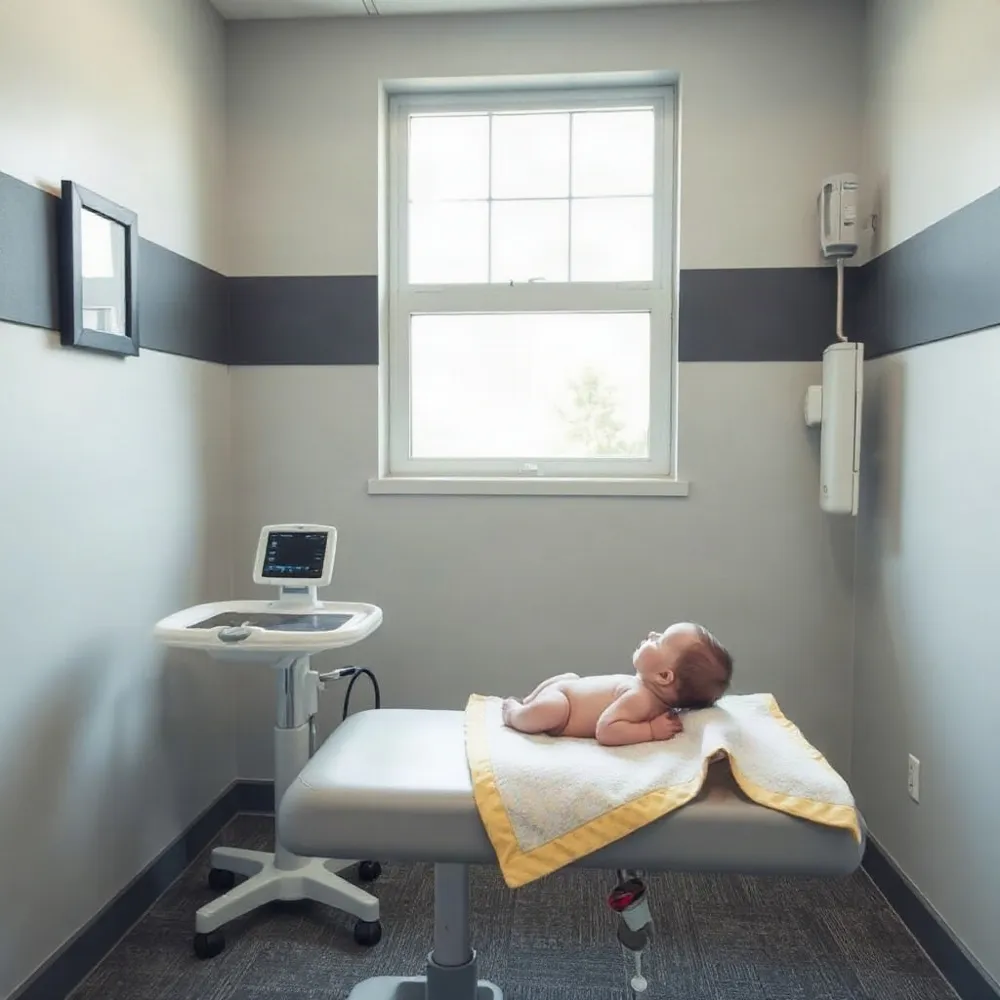
A First Visit, A Helpful Conversation
Your newborn’s first checkup is more than a weigh-in. It is a chance to review the birth and hospital stay, check early growth, and talk through feeding, sleep, screening results, and anything that feels uncertain. The American Academy of Pediatrics describes the first-week visit as typically taking place when a baby is 3 to 5 days old, and encourages families to bring hospital paperwork and questions (AAP first-week checkup checklist).
There is no need to wait until you have a perfectly formed question. If feeding is difficult, you are unsure what diaper changes to expect, or you feel anxious or overwhelmed, tell the clinician. Guidance should reflect your baby’s health and your family’s circumstances, and parents’ well-being belongs in the conversation too.
For Queens families, a family-focused Forest Hills practice can make ongoing care simpler by caring for newborns, children, and adults in one setting. Maged Youssef, MD, FAAP brings more than 30 years of experience and board certification in both pediatrics and internal medicine, supporting continuity as your family’s needs change.
Plan the First Checkup
 The first appointment is usually arranged around your baby’s hospital discharge, but the right timing depends on your baby’s health and the care team’s plan. The American Academy of Pediatrics’ first-week checkup guidance describes a visit at 3 to 5 days old. If your baby is discharged early or needs closer monitoring, the hospital may recommend an earlier check.
Before leaving the hospital, confirm when and where the appointment will take place, and ask how to contact the pediatrician if a concern comes up first. Call sooner if feeding is difficult, jaundice appears to be worsening, or you notice another change that worries you. For urgent concerns, follow the hospital team’s instructions rather than waiting for the scheduled visit.
At the checkup, your pediatrician can review feeding, weight, hydration, and jaundice, then decide whether your baby needs another assessment or follow-up. In Forest Hills, Maged Youssef, MD provides newborn care in a family-focused practice that also serves adults, with more than 30 years of experience and board certification in pediatrics and internal medicine. Having one physician for family members of different ages can make care easier to coordinate as your household adjusts to life with a newborn.
Know What the Visit Includes
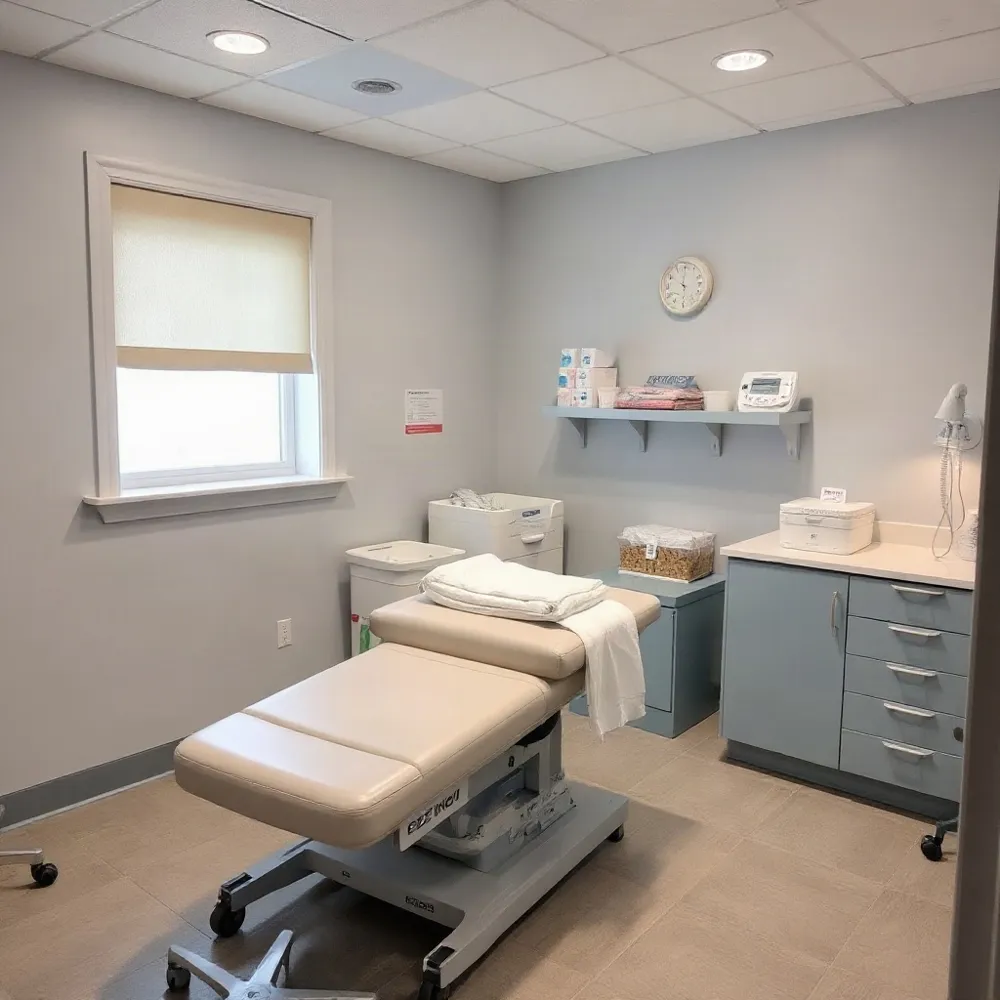 A newborn’s first appointment is a chance to check how your baby is doing and make a plan for any follow-up. The doctor typically weighs and measures your baby, observes behavior and development, and completes a physical examination. The American Academy of Pediatrics’ first-week checkup checklist outlines the usual checks, while noting that care depends on each baby’s circumstances.
Expect to review the birth and hospital stay, including the hearing and blood-screening results. If a result needs clarification, the pediatrician may recommend repeat screening or a specialist referral. Bring your discharge papers and any test results you have, so the care team can see what was completed and what still needs attention.
The doctor may ask how feeding is going and how many wet and dirty diapers you are seeing. You can also discuss sleep, soothing, and which changes or symptoms should prompt a call. If your baby did not receive the hepatitis B vaccine in the hospital, ask whether it is due at the appointment. For guidance on caring for a newborn at home, the World Health Organization’s newborn-care advice covers feeding, warmth, hygiene, and signs that need attention.
The visit can also make room for questions about your own wellbeing, including feeding difficulties or postpartum worries. At Dr. Maged Youssef’s family-focused Forest Hills practice, newborn care sits alongside care for adults, with a physician who is board-certified in pediatrics and internal medicine and brings more than 30 years of experience. The exact appointment will vary with your baby’s health and the care already received, so bring a short list of concerns and ask what follow-up is right for your family.
Pack Records and Everyday Essentials
 A little preparation can make the appointment feel less rushed, especially when you are still getting used to outings with your newborn. The American Academy of Pediatrics’ first-week checkup checklist recommends bringing hospital paperwork, including your baby’s discharge weight and details of any pregnancy or birth complications.
Bring any newborn screening, health, or immunization records the hospital gave you. If your baby takes medicine or supplements, pack them or write down their names and doses. A diaper bag with diapers, wipes, a change of clothes, and feeding supplies can help if your baby needs a change or feed during the visit.
A short note on feeding patterns and wet and dirty diapers can help you describe what you have noticed. Add your questions while they are fresh, then call the office before the appointment to ask whether it needs particular forms or records. At Maged Youssef, MD, FAAP’s Forest Hills practice, families can bring newborn concerns to a physician with more than 30 years of experience in pediatrics and internal medicine, and the same doctor can care for every member of your family, from infancy through adulthood.
Make Space for Your Questions
A short list can help you remember what matters when you are tired or the appointment feels full. Write down your questions before you go, and start with the concerns that feel most pressing. The American Academy of Pediatrics’ first-week checklist includes feeding, sleep, diaper output, cord care, and parent well-being as topics to discuss.
What questions should parents ask at a newborn’s first checkup?
Ask whether feeding is going well and how to tell if your baby is getting enough, including what weight changes and diaper output to expect. If you are breastfeeding, ask about lactation support and whether your baby needs vitamin D. If you use formula, ask how to prepare and store it safely. You can also ask about safe sleep, how to care for the umbilical cord, and any everyday concern you have noticed.
Ask which symptoms should prompt a call or urgent care, how to reach the office between visits, and what to do if your baby has a fever. You can request a demonstration of safe temperature-taking. Before leaving, confirm when the next checkup is due and what it will cover. General guidance cannot account for every baby’s needs, so ask the clinician to tailor advice to your child.
At Maged Youssef, MD, FAAP’s Forest Hills practice, newborn care is part of a family-focused primary care setting led by a physician with more than 30 years of experience and board certification in pediatrics and internal medicine. Families can bring their questions to the same doctor who also cares for adults in the household. For more prompts to prepare, see questions to ask during your newborn’s first checkup.
Choose a Pediatrician Before Birth
Meeting a pediatrician before your baby arrives can help you feel prepared to arrange newborn care and know where to turn with questions. Ask about the doctor’s training and experience, when newborns are first seen after birth, and how the first checkup is scheduled. The American Academy of Pediatrics describes a first-week visit at 3 to 5 days old, though your baby’s needs may call for a different plan. AAP’s first-week checkup checklist
Ask how the practice handles a sick baby: Is a same-day appointment sometimes available? How can you reach the office after hours, and who can advise or see your baby if the doctor is unavailable? Confirm office hours, insurance coverage, and typical wait times, too. These practical details matter when you are tired, worried, or trying to coordinate care around work and family responsibilities.
During a prenatal conversation, notice whether the clinician makes room for questions about feeding, vaccines, and your baby’s health. Families in Queens may also appreciate having one physician for children and adults. In Forest Hills, Dr. Maged Youssef has more than 30 years of experience and is board-certified in pediatrics and internal medicine, serving patients across ages in a family-focused primary care practice.
Ask yourself whether the office feels welcoming and is convenient for your household. A good fit is one where you understand how to arrange early visits, feel comfortable raising concerns, and know how to seek guidance between appointments.
Keep Up With Early Visits
After the first checkup, regular visits help your pediatrician follow your baby’s changing needs. A common pattern is another appointment around 1 to 2 weeks of age, then at 1 month, followed by well-child visits at 2 and 4 months. The American Academy of Pediatrics’ newborn checkup guidance describes the early visit as a chance to assess growth, feeding, and screening follow-up.
The timing is not identical for every baby. A clinician may suggest an extra check if feeding, weight gain, jaundice, screening results, or another concern needs closer attention. At each appointment, share updates about feeding and diapers, ask about growth and development, and check which immunizations or follow-up steps are due.
For families in Forest Hills and nearby Queens neighborhoods, Maged Youssef, MD, FAAP provides pediatric and adult primary care in one practice. With more than 30 years of experience and board certification in pediatrics and internal medicine, Dr. Youssef can care for children and adults in the same family, while keeping each child’s schedule specific to their needs.
Follow the schedule your baby’s clinician recommends, and contact the office between visits if a concern comes up. Keeping a short note of questions or new symptoms can help you make the most of the next appointment.
Build Confidence One Visit at a Time
You do not have to remember every detail at once. Bring notes, ask what is unclear, and follow guidance tailored to your baby. The American Academy of Pediatrics’ newborn checkup checklist also encourages parents to contact the pediatrician’s office when questions or concerns come up.
For Queens families, Maged Youssef, MD, FAAP offers newborn and pediatric care in a Forest Hills practice that also serves adults, with more than 30 years of experience and board certification in pediatrics and internal medicine. A family-focused setting can make it easier to coordinate care across ages, though a baby’s needs may call for a separate appointment or specialist.
Keep the follow-up schedule your clinician recommends, and call the office when you need advice between visits. You can take each new question as it comes.