
A More Connected Approach to Family Care
Keeping everyone healthy can mean juggling a child’s checkup, an adult’s follow-up, separate records, and appointments at different offices. When schedules are already full, that coordination can feel like another job.
For families in Forest Hills, Rego Park, Kew Gardens, and Middle Village, a primary care physician trained to care for both children and adults can make routine care feel more connected. Maged Youssef, MD, FAAP, is board certified in pediatrics and internal medicine and has more than 30 years of experience. His Forest Hills practice provides pediatric and adult care, giving families a single physician who can understand each patient’s needs and broader family context.
One doctor does not replace specialists. When a concern calls for focused expertise, specialist care may still be needed. A primary care physician can remain a familiar point of contact while helping coordinate the next steps, so care stays connected across ages and needs.
The Everyday Role of Primary Care
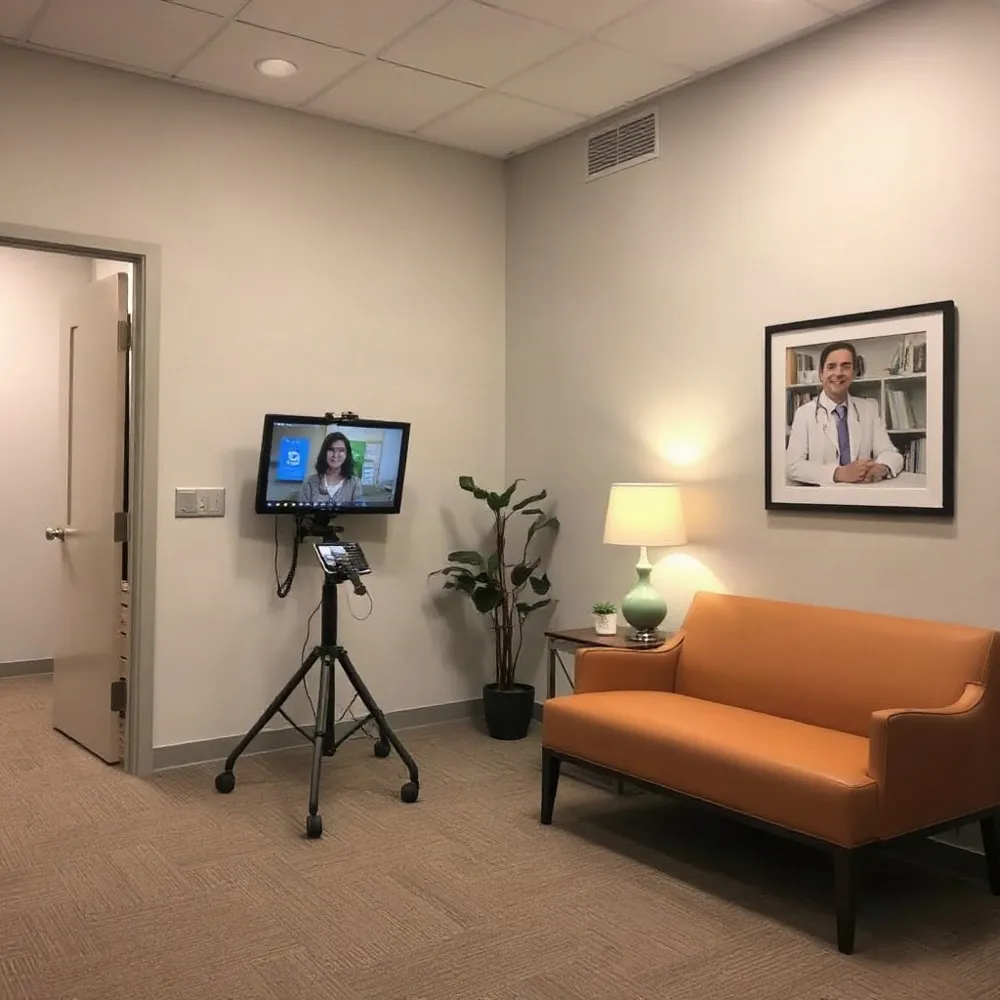 A primary care physician is often the first person to contact about a non-emergency health concern and a partner in care as needs change. Primary care includes routine wellness support, treatment for many common concerns, and referrals when specialized care is needed, as described in this overview of what a primary care physician does.
At a visit, your doctor may review symptoms and medicines, offer preventive guidance, and recommend screenings or immunizations suited to your age and health history. Checkups also give you time to raise questions before a concern becomes urgent. The U.S. Department of Health and Human Services’ tips for choosing a doctor suggest asking whether a physician’s experience and services fit your needs.
Primary care can also provide ongoing support for conditions such as asthma, high blood pressure, and high cholesterol. When a concern calls for specialist care, the primary care physician can help arrange a referral and keep the broader plan connected.
In Forest Hills, Maged Youssef, MD, FAAP’s practice offers long-standing expertise in caring for children and adults, bringing many family health needs into one office. Services include newborn and well-child visits, sick visits, immunizations, and asthma care for children, along with adult care for asthma, acid reflux, weight concerns, high blood pressure, and high cholesterol.
The practice also lists care for allergies, skin concerns and acne, behavioral health support, and prenatal consultations. For Queens families, having a physician familiar with both pediatric and adult care can simplify the practical work of arranging visits while keeping each person’s needs in view.
Why Continuity Matters Over Time
 When you see the same primary care physician regularly, you do not have to start from scratch at every visit. Over time, your doctor can learn your health history, medicines, family health risks, and the goals that matter to you. That context can make advice more personal and help shape which checkups, screenings, and vaccinations to discuss.
A familiar physician may also notice changes worth checking, though regular visits cannot guarantee that a problem will be caught early. If you manage asthma, high blood pressure, or another ongoing condition, follow-up visits give you and your doctor a chance to review how things are going and adjust the plan when needed. Your physician can also help connect specialist recommendations with your overall care.
For families in Queens, one physician who cares for children and adults can make it easier to keep routine care connected. Family medicine can serve patients of all ages, while Maged Youssef, MD, FAAP brings board certification in both pediatrics and internal medicine and more than 30 years of experience. The practice’s approach to long-term relationships with a family doctor reflects the value of familiarity across changing health needs.
Continuity works best when communication goes both ways. Share new symptoms, concerns, medicines, and changes in your goals, and ask questions if a recommendation is unclear. Feeling respected and comfortable can make it easier to speak openly; HHS guidance on choosing a doctor encourages patients to look for someone who listens and explains information clearly.
Training That Spans Children and Adults
 A physician’s training and the ages a practice serves shape who can receive care there. Pediatricians generally focus on children, while internists generally care for adults. A family seeking one doctor for children and adults can ask about both the clinician’s credentials and the practice’s age range. MedlinePlus’s guide to choosing a primary care provider offers questions to consider when making that choice.
Internal medicine-pediatrics, often called Med-Peds, combines training in adult internal medicine and pediatrics. Physicians board-certified in both specialties are trained to provide primary care to adults and children. Family medicine and internal medicine also serve different age groups, so it is useful to check a doctor’s specific training and scope.
In Forest Hills, Maged Youssef, MD, FAAP, has more than 30 years of experience and board certification in pediatrics and internal medicine, along with a fellowship in pediatric critical care. His practice cares for patients from newborns through adulthood, giving Queens families the option of seeking care for children and adults in one office.
One practice can make it easier to coordinate family appointments and keep health history in view, but it does not mean every doctor accepts every age or that specialist care is never needed. Ask whether the practice treats each family member’s age group and when a referral may be appropriate. For suitable follow-ups, Dr. Youssef also offers video visits, which may save a trip to the office.
Choosing a Physician and Practice
Choosing a primary care physician is about more than credentials. Look for training and experience that fit your health needs, and notice whether the doctor listens, explains things clearly, and makes you comfortable asking questions. The U.S. Department of Health and Human Services recommends checking a doctor’s training, insurance network, travel distance, and appointment options when comparing providers (doctor-selection tips).
For families in Forest Hills and nearby Queens communities, ask whether one physician sees both children and adults, and how the practice handles care as children grow. Dr. Maged Youssef has more than 30 years of experience and board certification in pediatrics and internal medicine. Confirm directly with the office that its services and your insurance fit your family’s needs.
Practical details matter, too. Consider the office’s location, how easily you can arrange appointments, and whether the visit format suits the concern. Video visits are available for many follow-ups at Dr. Youssef’s practice, but some concerns require an examination or lab work. Contact the Forest Hills office to ask whether video is appropriate for your visit. Have your questions and current medication list ready, and choose a quiet place with reliable internet.
Making the Most of Each Visit
A little preparation can help your appointment address what matters most, whether you are coming in for yourself or bringing a child. Before the visit, note new symptoms, changes in your health, ongoing conditions, and every medicine or supplement you take. A current list helps your physician review your care with you.
Ask which checkups, screenings, and immunizations are appropriate for your age and health history, and whether your family history affects your personal risks. The U.S. Department of Health and Human Services’ doctor-selection guidance also encourages patients to ask questions and discuss concerns with their primary care doctor.
You can raise practical goals such as becoming more active, improving eating habits, managing weight, or keeping track of blood pressure and cholesterol. These conversations help your doctor understand what you hope to work on and discuss options suited to your circumstances, rather than relying on one-size-fits-all advice.
For parents in Queens, visits with Maged Youssef, MD, FAAP can cover pediatric questions as well as adult health needs in the same practice. Ask about your child’s growth, development, sleep, behavior, asthma, allergies, or vaccinations. A written question list can keep the conversation on track; before you leave, make sure you understand the next steps and have a clear plan.
Primary Care Alongside Women's Health
Seeing an OB-GYN does not necessarily replace a general primary care physician. OB-GYN care focuses on reproductive and gynecologic health, including pregnancy-related needs, while primary care covers a wider range of concerns, from routine checkups and everyday illnesses to ongoing conditions such as asthma, high blood pressure, and high cholesterol.
For adults in Queens, keeping both clinicians can help ensure that distinct health needs receive attention. Your primary care physician and OB-GYN can also coordinate when a concern crosses between their areas. The right schedule depends on your health, history, and clinicians’ advice, so ask which preventive services each provides and whether a separate general checkup is appropriate. Choosing a primary care provider can help you think through how a primary care clinician fits into your overall care.
At Maged Youssef, MD, FAAP’s family-focused Forest Hills practice, adults and children can receive primary care in one place. With board certification in both pediatrics and internal medicine and more than 30 years of experience, Dr. Youssef can address general health needs across ages; patients should continue to see an OB-GYN for reproductive and gynecologic care and ask both clinicians how best to coordinate.
If you are unsure whether you need a separate annual primary care visit, bring the question to your OB-GYN and primary care physician. Sharing relevant updates can help each clinician understand your care, while allowing your visits to be guided by your individual needs rather than a one-size-fits-all schedule.
Care That Fits the Whole Family
The right primary care fit brings together training suited to your needs, a relationship where you feel comfortable asking questions, and access that works for your family. The U.S. Department of Health and Human Services’ doctor-selection tips suggest checking a physician’s experience, availability, and whether the office accepts your insurance.
For Queens families, one Forest Hills practice that sees children and adults may make routine care easier to coordinate. Maged Youssef, MD, FAAP is board certified in pediatrics and internal medicine and offers video visits for many follow-ups. A primary care physician can address many needs, while a specialist may still be important for specific concerns.
If you are considering care for your household, contact the practice with questions about ages served, available services, insurance, appointment options, or video follow-ups. A brief conversation can help you decide whether the practice fits your family’s needs.