Care That Fits Family Life
Between school runs, work, and caring for relatives, finding time for everyone’s appointments can be difficult for Queens families. When children and adults see different clinicians, coordinating care may add another layer of planning.
A video visit can make some primary-care follow-ups easier to fit into the day, especially when a conversation or visual check is enough. It can complement office care, but it cannot replace an examination or test when one is needed. Johns Hopkins Medicine describes common uses and limits of telemedicine.
At Maged Youssef, MD, FAAP’s Forest Hills practice, one physician provides pediatric and adult care, drawing on board certification in both pediatrics and internal medicine and more than 30 years of experience. Families can ask whether a concern is suitable for video or would be better assessed in the office, so the appointment fits the health need, not just the calendar.
Understanding a Video Visit
A video visit lets you talk with your doctor face-to-face using your smartphone, tablet, or computer — no need to travel to the office. It’s a convenient way to check in on a health concern from the comfort of your home.
For many Queens families, that can make follow-up care easier to fit around work, school, and other appointments. Video visits often suit conversations such as reviewing a treatment plan or checking on progress when a hands-on examination is not needed. Remote care complements rather than replaces office visits, and your doctor will guide you on the best option.
At Maged Youssef, MD, FAAP’s family-focused practice, video visits are available for many follow-ups when an in-person examination is not needed. With years of experience caring for children and adults in Queens, Dr. Youssef and his team can help you decide whether a video visit or an office visit is right for your family.
A video appointment is not right for every situation, and your doctor may recommend an office visit if an examination or testing is needed. Emergencies require immediate care: call 911 or go to the nearest emergency department.
Visits That May Work Well
A follow-up does not always require another trip to the office. If a visit is mainly a conversation, video may be an option for reviewing test results, discussing how a treatment is going, or planning next steps. Johns Hopkins Medicine describes these as common uses for telemedicine, while noting that some concerns still need in-person care.
For a family in Queens, the convenience can matter when parents are coordinating care for children and adults. At Maged Youssef, MD’s Forest Hills practice, one physician provides care for all ages, with more than 30 years of experience and board certification in pediatrics and internal medicine. Video may suit some follow-up conversations, but that does not mean every concern can be assessed remotely.
Whether video is appropriate depends on the reason for the appointment and the clinician’s judgment. A hands-on examination, test, or in-person treatment may be needed to assess a concern safely. Mayo Clinic explains that virtual visits can support care when an in-person visit is not needed, but they are not a substitute for every type of appointment.
If you are unsure, call the practice and ask whether your planned visit can be handled by video. The team can help clarify the best format for your child or for you, so you can arrange an office appointment when an examination or other in-person care is necessary.
Making Follow-Ups Easier
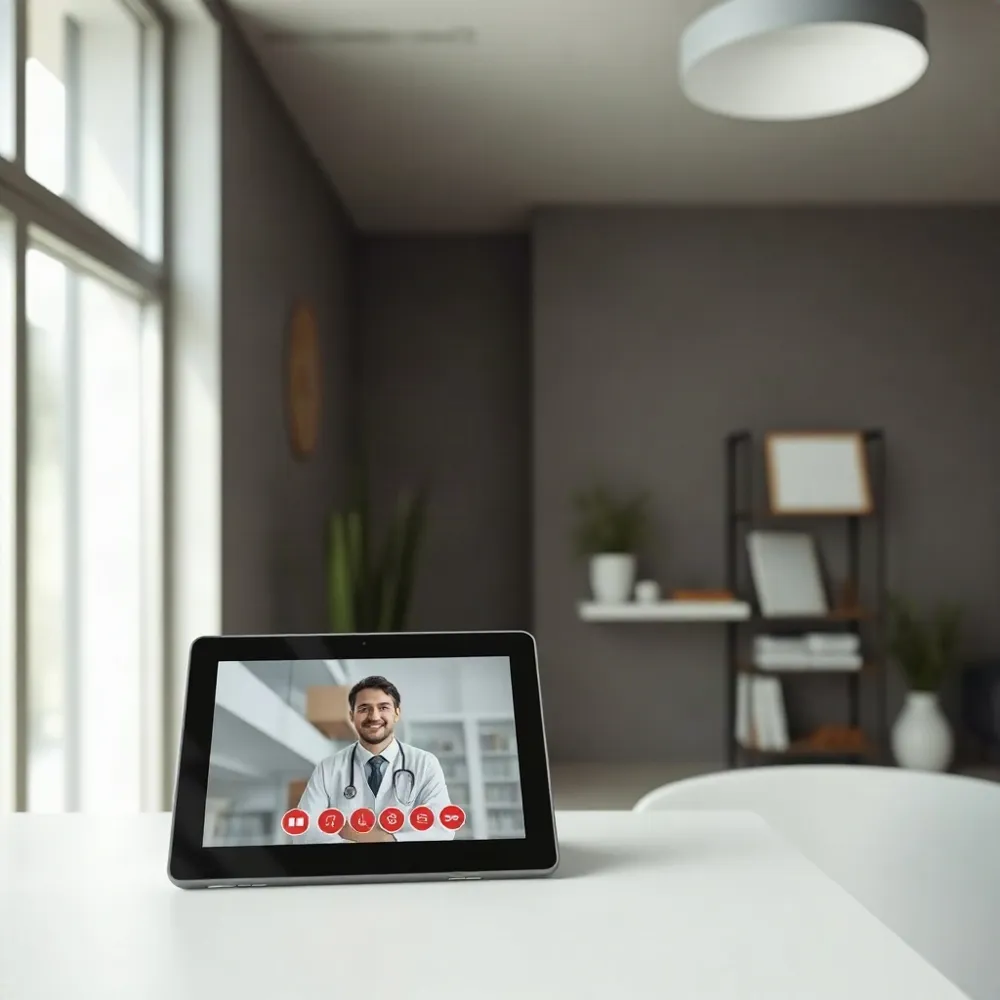 For many follow-ups, staying home can save a trip to the office, parking time, and some time away from work or school. Video appointments can be especially helpful when a visit is mainly a conversation, such as reviewing progress or discussing a care plan, and the clinician decides an in-person exam is not needed. Johns Hopkins Medicine’s guidance on telemedicine describes these visits as a useful addition to in-person care, not a replacement for it.
Coordinating care for children and adults can mean juggling different schedules and trips. In Forest Hills, Dr. Maged Youssef, MD, FAAP, cares for pediatric and adult patients, so families may be able to discuss appropriate follow-ups with one physician rather than coordinating every check-in across separate practices. His more than 30 years of experience supports care across ages, but the specific concern and need for an examination still determine whether video is suitable.
Parents can take part in a child’s video visit, share observations, and ask questions. With the patient’s permission, another family member or caregiver may also join remotely, which can help everyone understand the plan. This can be useful when relatives cannot all travel to an appointment, while keeping the patient’s preferences and privacy in mind.
Dr. Youssef offers video visits for many follow-ups, but they do not cover every need. If a clinician needs to examine the patient, perform a procedure, or arrange testing, an office visit may be the better next step. For coverage and scheduling details, check directly with the practice and your health plan.
Ongoing Care Through Video
Can telehealth help with ongoing health conditions? For some check-ins, yes. A video visit can give you time to talk about changing symptoms, how a treatment is working, or what to do next—without making an extra trip when an in-person exam isn't needed. Video visits can be a great option for follow-ups and ongoing care conversations.
That convenience is especially helpful for families in Forest Hills, Rego Park, Kew Gardens, and Middle Village, especially when you're coordinating care for both kids and adults. Dr. Maged Youssef brings more than 30 years of experience in pediatrics and internal medicine, so your whole family can discuss care with one doctor and decide together whether a video or office visit is best for each concern.
Of course, video isn't right for every condition or every stage of care. Your doctor needs to consider your symptoms, what information can be shared remotely, and whether an exam, lab work, or other testing is needed. Video visits are a helpful addition to in-person care, but some decisions still require a hands-on assessment.
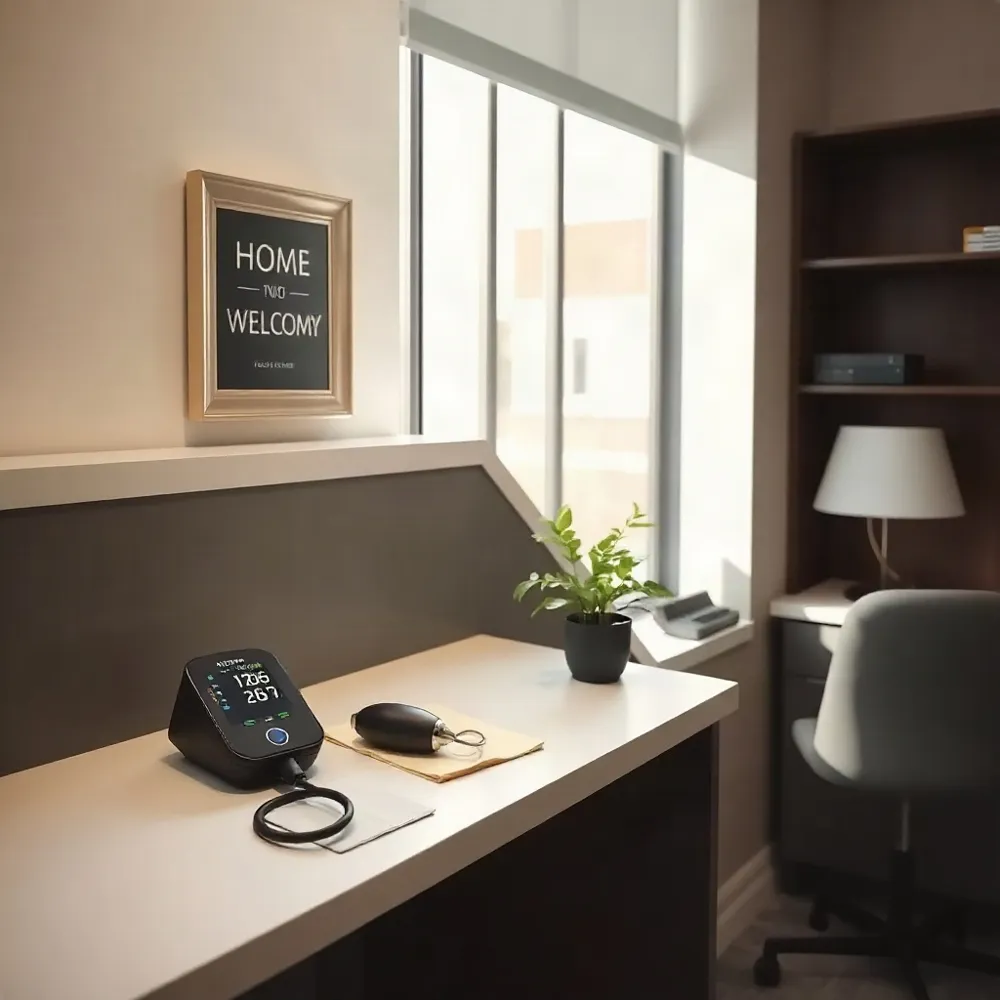
Before you schedule, jot down what has changed, what questions you want answered, and any recent home readings, like blood pressure or blood sugar, if you have them. These details help your doctor decide whether a video check-in works or if an office visit would be better.
When an Office Visit Is Better
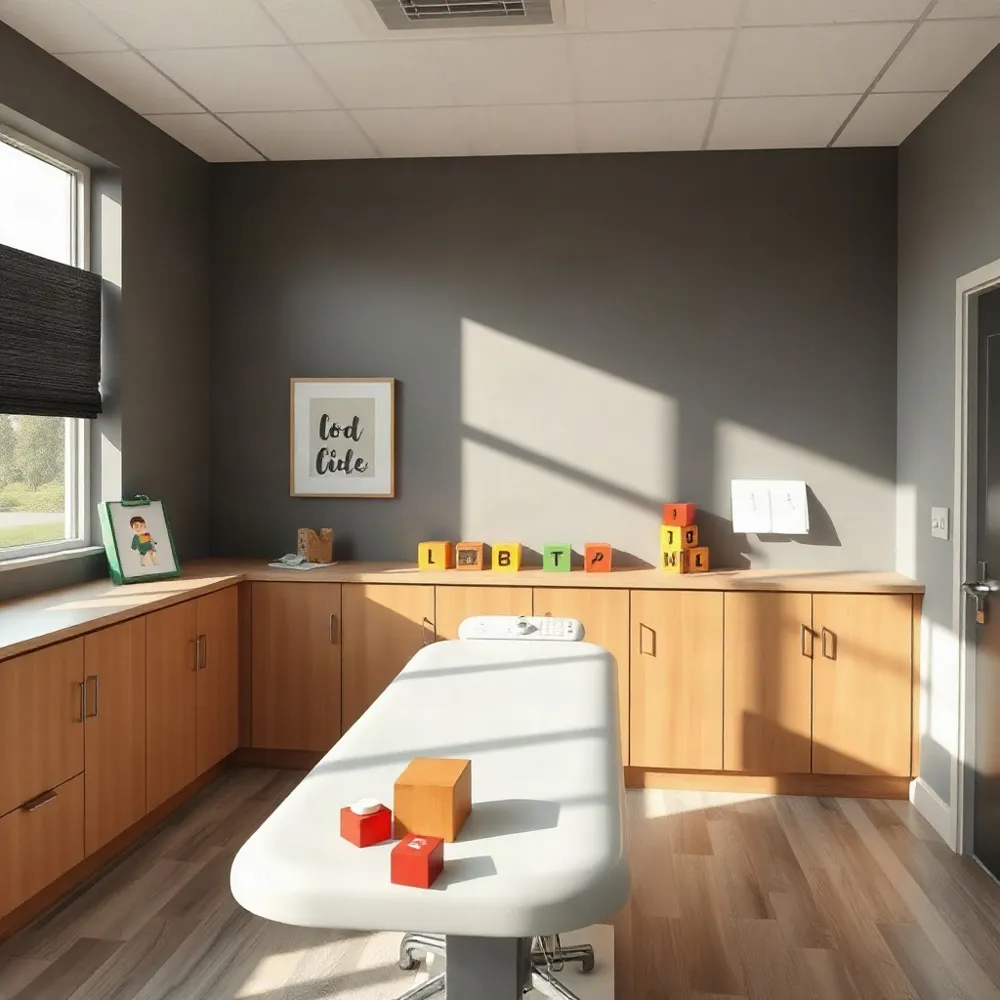
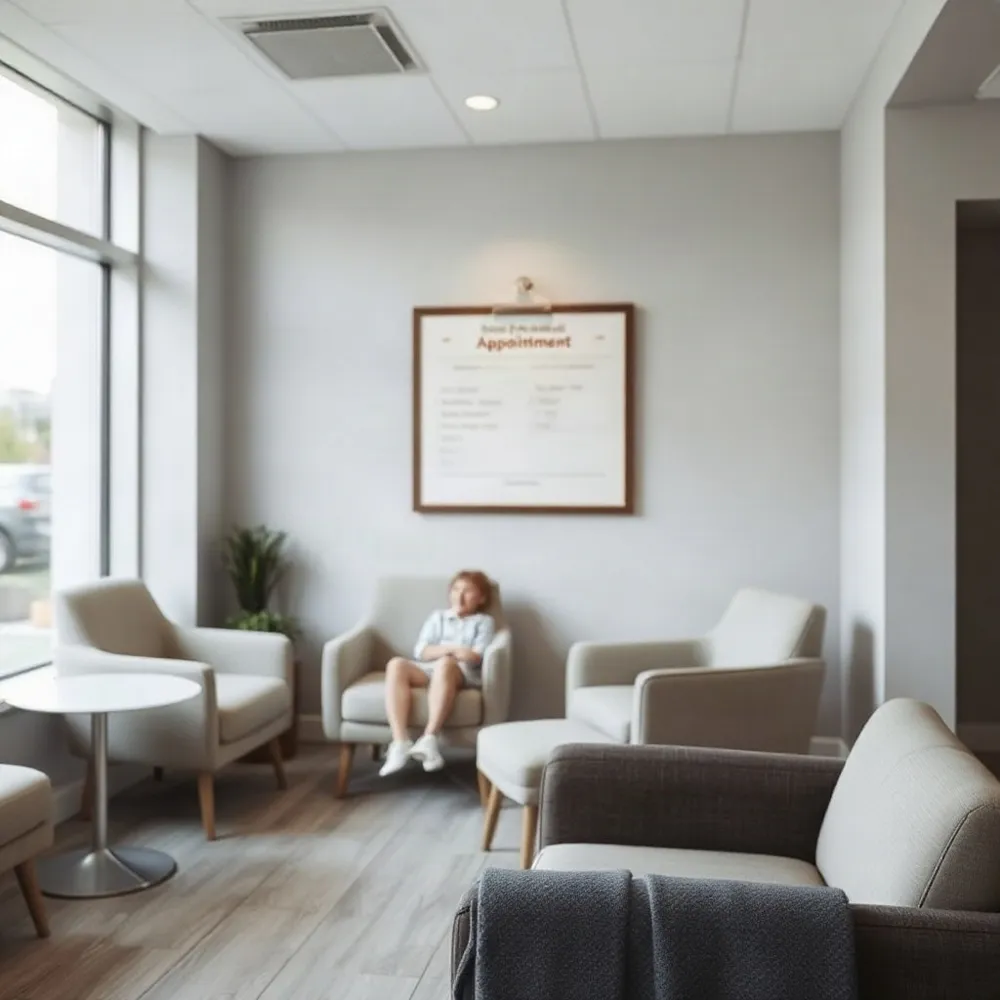 Sometimes, your child or another family member needs care that only an in-person visit can provide. A video visit is convenient for many things, but it cannot replace the hands-on examination, in-office testing, or treatment that requires your doctor to be physically present. That’s when an office appointment at our Forest Hills practice in Queens is the better choice.
If symptoms are new, getting worse, hard to describe, or just don’t seem right, a closer look may be needed. Not sure which type of visit is best? Our team at Maged Youssef, MD, FAAP is here to help. Dr. Youssef is specially trained to care for both children and adults, so one trusted doctor can look after your whole family. With years of experience serving Queens families, he can guide you on whether a video visit or an in-office evaluation is right for you.
If you’re already in a video visit and the doctor feels more information is needed, arranging an in-person follow-up is a smart next step — not a failure of virtual care. Video visits work well for many concerns, but when an exam or test is needed, coming into the office is the best way to get the care you deserve.
Remember, video visits are not a substitute for emergency care. If you or a loved one has severe or urgent symptoms, seek emergency help right away. Call 911 for potentially life-threatening symptoms like chest pain, trouble breathing, sudden weakness or numbness, confusion, or difficulty speaking.
Getting Ready for the Appointment
 Getting ready for your video visit? A little preparation can go a long way, whether you're checking in for your child or for yourself. At Dr. Maged Youssef's practice, we've been caring for families in Queens for years, and we know that having one trusted doctor for everyone—from kids to adults—makes life simpler. So here are a few tips to help you make the most of your appointment.
Find a quiet, well-lit spot where you can talk comfortably. Make sure your device is charged and that the camera and microphone work—your internet connection too. These simple checks help us see and hear you clearly, so we can focus on what matters: your health. For more ideas, you can check out Mayo Clinic’s telehealth guidance.
Have a list of your current medicines handy, including doses if you know them. It's also helpful to jot down when symptoms started, how they've changed, and any home readings like temperature or blood pressure. And don't forget your questions! You don't need any special equipment unless we ask you to have something ready.
Follow the instructions we provide for scheduling and joining your visit—each practice may have its own process. Before booking, feel free to ask us if video appointments are right for your concern, and check with your health plan about coverage. We're here to help you every step of the way.
Choose the Right Kind of Visit
Video visits can make selected follow-ups easier for busy Queens families, while an office visit remains the right choice when a concern needs a hands-on examination, testing, or treatment. The clinician can help decide which format fits the situation.
At Maged Youssef, MD, FAAP’s Forest Hills practice, children and adults can receive care from a physician with more than 30 years of experience and board certification in pediatrics and internal medicine. Contact the practice to ask what kind of appointment may suit each family member.
For general guidance, Johns Hopkins Medicine’s overview of telemedicine explains that remote visits complement, rather than replace, in-person care. Convenient care works best when the visit is matched to the patient’s needs.